Direct deployment solutions engineered to overcome isolated logistics, harsh salinity, and local concrete production constraints in South Tarawa and the Outer Islands.
Developing robust, long-lasting infrastructure in the Republic of Kiribati is a complex challenge. Comprising 33 low-lying atolls and reef islands across 3.5 million square kilometers of the central Pacific Ocean, the country is highly vulnerable to rising sea levels, coastal erosion, and extreme weather events. Traditional construction methods fail due to the high-salinity environment, aggressive humidity, and the scarcity of local river sand or coarse aggregates.
Additionally, the geographic isolation of South Tarawa, Betio, and Kiritimati poses significant shipping bottlenecks. Procurement leads cannot rely on quick replacement parts or manual diagnostics. This makes smart, IoT-enabled construction machinery essential for the survival of projects like causeway linkages, airport runway retrofitting, and residential sea-wall defenses.
By shifting to automated, high-precision concrete and metal fabrication technology, international contractors and government bodies in Kiribati can optimize resource consumption, prevent material waste, and monitor machine performance in real-time from anywhere in the world.
Smart precast and block-making machinery limits raw material waste by precisely dispensing cement binders, mitigating the excessive mining of fragile atoll reef aggregates.
Our digital interfaces and remote diagnostics reduce down-time, ensuring project continuity even when operating on remote islands like Canton or Tabuaeran.
How our heavy machinery is structurally customized to withstand the specific humidity, chemical, and operational challenges of the Pacific region.
Our excavators, asphalt plants, and precast concrete machinery feature dual-layered polyurethane finishes and electro-galvanized sub-structures to prevent marine atmospheric oxidation.
Equipped with computerized fuel injection and smart hydraulic valves, our diesel-driven machinery lowers consumption rates by 18%, reducing the need for imported diesel.
Onboard GPS, pressure, and thermal sensors transmit operational telemetry via satellite or local networks, allowing remote troubleshooting and preventative maintenance alerts.
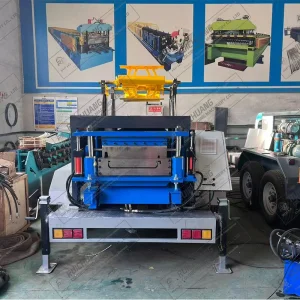
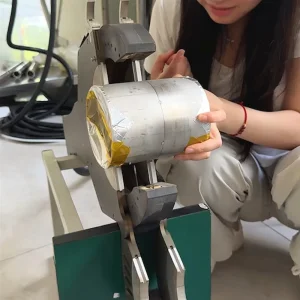
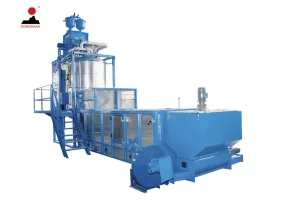
Explore our intermediate class of smart roofing, welding, and expanded polystyrene machinery optimized for rapid civil construction projects.
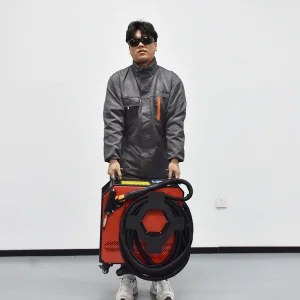
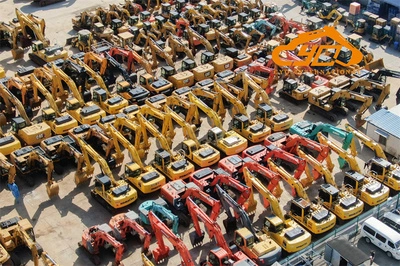
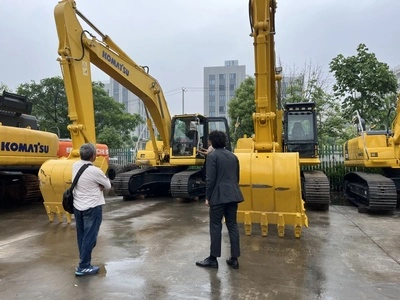
Founded in 1995, Guangzhou Mintrix Excavator Co., Ltd. began specializing in producing excavating machinery in 2003. We currently have an annual production capacity of nearly 20,000 units, offering a range of products that includes medium and small wheel excavators, small crawler excavators, our patented wheel-crawler integrated excavators, dump trucks, and skid steer loaders. Our brands, RHINOCEROS, XINIU, and Kenstone, are synonymous with innovation and quality.
We employ over 600 skilled workers, including a dedicated R&D team of more than 70 professionals. All our products undergo rigorous testing and comply with ISO and CE standards.
Since 2010, we have been actively expanding our international trade business. By 2023, our annual foreign trade sales have reached approximately $70 million. This growth is primarily due to our focus on product development, consistent participation in international engineering machinery exhibitions such as the Canton Fair and Bauma in Germany, and on-site visits to clients to gather first-hand market demand information. Our company leaders and technical sales team have traveled to numerous countries and regions, including Europe, the United States, South America, Central Asia, Southeast Asia, and Africa.
Our R&D personnel are divided into 9 teams, each focusing on developing and improving different models to meet international market needs. For example, in 2014, we were the first to create and produce the first single-cylinder micro excavator in China, which quickly gained popularity in international markets and has been in high demand ever since.
Our company has obtained certifications for quality management, environmental management, occupational health and safety management, intellectual property management, and energy management systems, as well as the DCMM (Level 2) certification. Our products have passed the EU CE certification. We have been recognized as a high-tech enterprise, a provincial manufacturing single champion enterprise, a specialized and new enterprise, and a provincial gazelle enterprise.
Company Founded
Annual Production Capacity
Foreign Trade Volume (2023)
Dedicated R&D Engineers
Sourcing and deploying heavy machinery to Kiribati requires precise logistics planning. Shipping routes usually originate from Asian ports, transit through Fiji (Suva) or Australia (Brisbane), and arrive at Betio Port in South Tarawa or London Port in Kiritimati. This complex multi-modal transit chain demands smart packaging and durable design to prevent rust and transport damage.
We work closely with global shipping companies and EPC contractors to offer customized transport solutions. Heavy machinery is treated with temporary anti-rust coatings, and delicate components are sealed in vacuum bags. By packaging spare parts and maintenance kits directly with the machines, we ensure you have everything needed to prevent downtime in remote locations.
Our technical team also helps with customs clearance documents, providing clear HS codes, certificate of origin forms, and testing certificates to ensure compliance with the Kiribati Ministry of Infrastructure and Sustainable Energy (MISE).
Because Kiribati has limited repair infrastructure, we design our machinery with simple mechanical layouts alongside smart digital interfaces. Our diagnostic software runs on standard mobile devices, allowing local mechanics to identify issues step-by-step.
We also provide virtual training classrooms and real-time remote support. If an operator in Tarawa has an issue with an excavator or brick machine, our engineering teams in China can diagnose the telemetry data online and guide them through the repair, helping to keep projects on track.
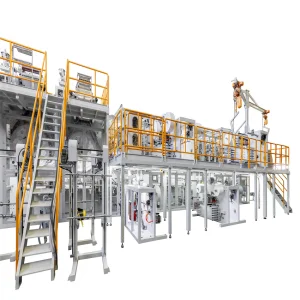
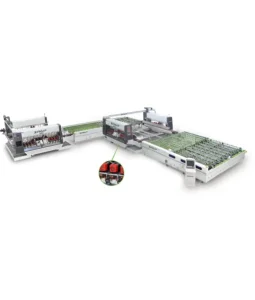
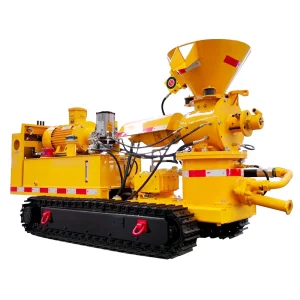
Complete directory of our smart equipment engineered for concrete processing, structural steel fabrication, glass tempering, and heavy civil works.
Direct technical answers addressing the operational, environmental, and logisitical realities of deploying construction machinery in the Pacific Islands.
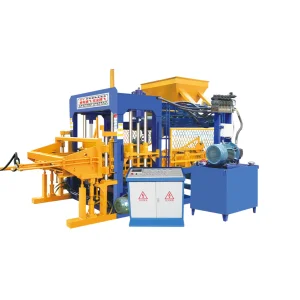
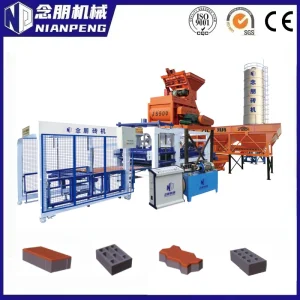
Our concrete brick-making machines (like the QT6-15b) feature specialized software that adjusts compression pressure and cycles to match the properties of local aggregates, including graded coral sand and crushed limestone. To protect the machine, we use high-grade manganese steel molds and corrosion-resistant coatings. We also recommend using washed aggregates and fresh water whenever possible to ensure structural integrity and prolong the life of the molds.
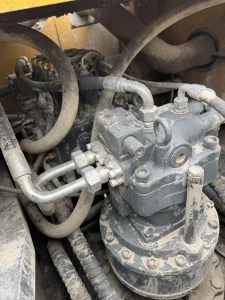
Our excavators are upgraded for maritime environments. We use hard-chromed cylinder rods with dual-lip wiper seals to keep salt spray and moisture out of the hydraulic oil. Exposed metal parts, hydraulic lines, and electrical connections are treated with marine-grade anti-corrosion grease and sealed inside IP67-rated protective enclosures.
Our IoT units use a store-and-forward data system. When working in remote areas of Kiribati with poor connectivity, the machine stores diagnostic data on its internal flash storage. Once the machine connects to a network—via a local cellular uplink, Wi-Fi at the depot, or a portable satellite terminal (such as Starlink)—it uploads the stored log files to our cloud server, allowing our service teams to review performance and detect issues.
Shipping from Guangzhou to Betio, South Tarawa usually takes between 35 and 50 days, depending on transshipment schedules at hub ports like Suva (Fiji) or Auckland (New Zealand). We handle the container loading and secure all machinery inside 40ft High Cube containers to prevent movement during transport.
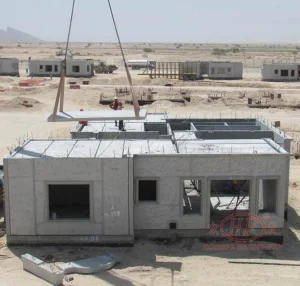
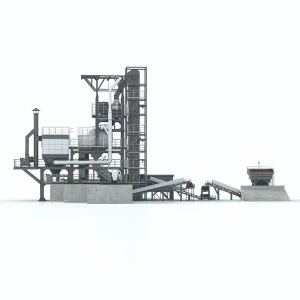
Yes. For larger setups like the EPS Concrete Wall Panel Machine or the HZS60 Batching Plant, we offer custom service plans. We can send experienced installation engineers to Kiribati to handle commissioning, run test cycles, and train your local operators on-site. Alternatively, we provide complete video training and 3D step-by-step guides for remote setup.
Consult with our structural design and logistics teams to select the ideal machinery configurations and protection upgrades for the Kiribati environment.
Request Technical Quotation Now Mintrix Excavator