Engineered for stability, fuel economy, and maximum operational throughput in demanding terrains.
Analysing macroeconomic developments, artisanal mining growth, and logistical shifts driving the requirement for sub-10-ton civil equipment.
The Democratic Republic of Congo (DR Congo) holds a pivotal position globally as a reserve for critical battery metals, notably cobalt, copper, lithium, and tantalum. Driven by global clean energy initiatives, mining developments in provinces like Katanga and Lualaba have escalated. However, large-scale open-pit concessions run parallel to extensive artisanal and small-scale mining (ASM) sectors, which employ over 200,000 workers. For these operations, heavy machinery is often financially inaccessible and logistically impractical due to remote geographic profiles.
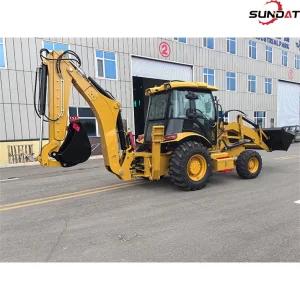
In addition to resource extraction, the infrastructure deficit across major urban hubs like Kinshasa, Lubumbashi, Goma, and Kisangani has generated immediate demand for localized construction machines. Rapid urbanization has created dense residential quarters where wide-track heavy excavators cannot pass. Compact machinery, such as 1-ton mini crawlers and versatile backhoe loaders, has transitioned from optional utility assets to fundamental necessities for municipal development, drainage dredging, and grid extensions.
High productivity under challenging logistical conditions, dense urban quarters, and heavy-duty artisanal mining environments.
Moving 40-ton excavators across the DR Congo's road network, which features long stretches of dirt tracks subject to washouts during the rainy seasons (October to May), poses extreme challenges. Logistical routes such as the Lobito Corridor or the Northern Corridor from Mombasa involve long transit times. Under these constraints, compact construction equipment (ranging from 1 ton to 8 tons) offers a distinct advantage: they can be transported on standard flatbed cargo trucks, loaded onto river barges on the Congo River system, or airlifted to remote concessions when necessary, bypassing traditional heavy-transport bottlenecks.
How technical innovation, structural versatility, and low TCO are reshaping civil engineering and agricultural sectors globally.
On a global scale, the compact construction machinery market is expanding rapidly, with projections indicating a compound annual growth rate (CAGR) exceeding 6.2% over the next decade. Historically favored for residential landscaping, mini excavators and compact track loaders have increasingly integrated into mainstream infrastructure projects. The transition is driven by three distinct technical vectors: hydraulic systems modernization, attachment versatility, and total cost of ownership (TCO) optimization.
Furthermore, emission regulations in Europe and North America have accelerated the development of highly efficient diesel engines (such as EPA Tier 4 and EU Stage V compliant powerplants) and zero-emission electric powertrains. For regions such as Central Africa, these developments translate to improved fuel efficiency and decreased engine maintenance requirements. By reducing fuel consumption per cubic meter of earth moved, modern compact machines directly lower operation costs in geographies where fuel logistics are complex and costly.
A deep dive into our manufacturing infrastructure, advanced R&D systems, and high-quality international export capabilities.
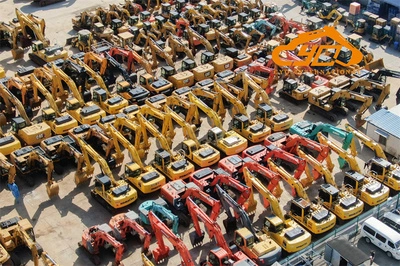
Founded in 1995, Guangzhou Mintrix Excavator Co., Ltd. began specializing in producing excavating machinery in 2003. We currently have an annual production capacity of nearly 20,000 units, offering a range of products that includes medium and small wheel excavators, small crawler excavators, our patented wheel-crawler integrated excavators, dump trucks, and skid steer loaders. Our brands, RHINOCEROS, XINIU, and Kenstone, are synonymous with innovation and quality.
We employ over 600 skilled workers, including a dedicated R&D team of more than 70 professionals. All our products undergo rigorous testing and comply with ISO and CE standards.
Since 2010, we have been actively expanding our international trade business. By 2023, our annual foreign trade sales have reached approximately $70 million. This growth is primarily due to our focus on product development, consistent participation in international engineering machinery exhibitions such as the Canton Fair and Bauma in Germany, and on-site visits to clients to gather first-hand market demand information. Our company leaders and technical sales team have traveled to numerous countries and regions, including Europe, the United States, South America, Central Asia, Southeast Asia, and Africa.
Our R&D personnel are divided into 9 teams, each focusing on developing and improving different models to meet international market needs. For example, in 2014, we were the first to create and produce the first single-cylinder micro excavator in China, which quickly gained popularity in international markets and has been in high demand ever since.
Our company has obtained certifications for quality management, environmental management, occupational health and safety management, intellectual property management, and energy management systems, as well as the DCMM (Level 2) certification. Our products have passed the EU CE certification. We have been recognized as a high-tech enterprise, a provincial manufacturing single champion enterprise, a specialized and new enterprise, and a provincial gazelle enterprise.
Identifying key industrial niches where compact machinery delivers high efficiency and performance.
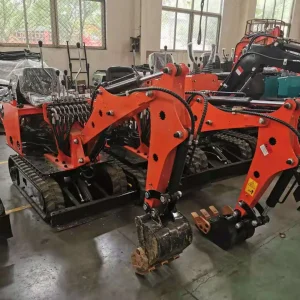
In Lualaba and Katanga provinces, copper and cobalt deposits often lie close to the surface, where small-scale teams work under tight spatial limitations. Traditional hand tools yield low output and present high safety risks, while heavy 20-ton diggers cannot navigate the narrow pit pathways. The Hydraulic Small Digger 1 Ton Mini Crawler Earth Moving Equipment (KV10) offers a practical alternative. Operating in constrained spaces, it automates manual digging and moves materials directly to collection points, enhancing safety and output.
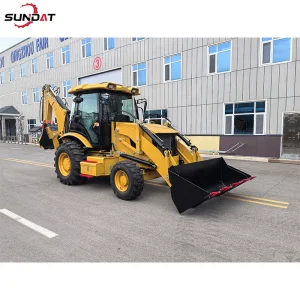
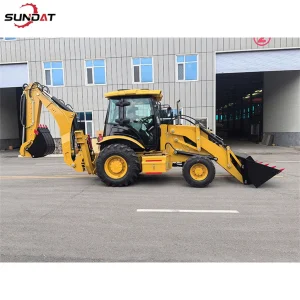
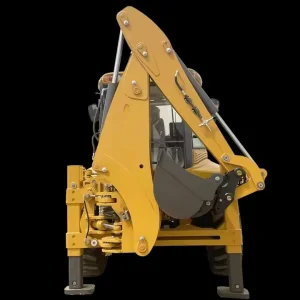
Kinshasa faces severe annual rainfall that often results in flooding, highlighting the need for regular maintenance of stormwater drainage channels. However, the capital's informal settlements lack wide roadways, limiting heavy equipment access. Compact backhoe loaders and mini excavators can navigate these narrow corridors, clearing blockages and digging trenches with minimal disruption to local structures.
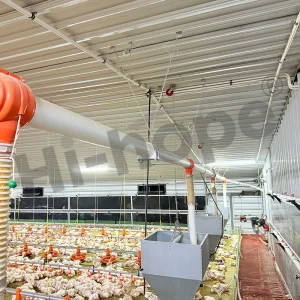
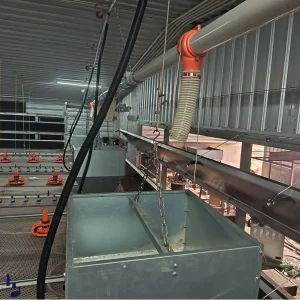
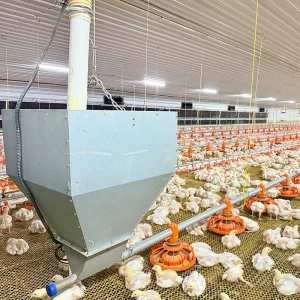
To meet rising urban demand, commercial poultry operations are expanding near major metropolitan areas. For these facilities, automated, low-noise feeding and waste handling are essential to maintain bird health and operational efficiency. The integration of Compact Reliable Fill System Equipment ensures a consistent supply of feed across large barns, minimizing dust and manual labor, which directly reduces operating overheads.
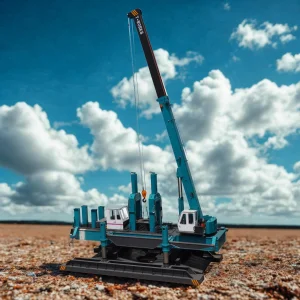
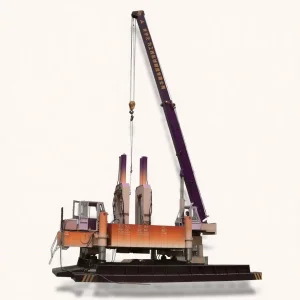
The highways connecting North and South Kivu run through mountainous terrain prone to mudslides. Small road maintenance crews use compact mini piling units and backhoes to drill anchoring points, install retaining piles, and clear debris. This allows crews to restore traffic flow quickly, without waiting for heavy machinery to arrive from distant central depots.
Designed for reliability, fast setup, and high productivity across diverse sectors.
Ensuring absolute compliance, mechanical reliability, and efficient customs clearing in Central African import zones.
Procuring capital equipment for deployment in the Democratic Republic of Congo demands strict adherence to international standardizations. To guarantee long-term performance under demanding operating conditions, procurement managers evaluate several structural requirements:
Expert insights on importing, maintaining, and operating compact machinery in DR Congo.
Partner with an industry leader to optimize your project's productivity, safety, and operational efficiency with our specialized compact equipment.
Send Inquiry Now Mintrix Excavator