The global hydraulic grapple market is currently experiencing a transformative era, driven by the surging demand in demolition, forestry, scrap recycling, and large-scale infrastructure projects. As cities expand and old structures make way for new developments, the Hydraulic Grapple has evolved from a simple attachment to a high-precision instrument capable of complex maneuvers.
Today, the industry is valued at billions of dollars, with a compound annual growth rate (CAGR) reflecting the shift toward mechanized labor. Modern grapples are no longer just "claws"; they are sophisticated hydraulic systems integrated with sensors, high-strength alloy steels like Hardox or Q355B, and 360-degree continuous rotation capabilities. This industrial status is underscored by a global push for efficiency, safety, and environmental responsibility, where hydraulic grapples reduce manual labor risks and optimize waste sorting for better recycling rates.
High-torque rotation and extreme clamping force for dismantling steel structures and concrete.
Log handling with bypass jaw designs, ensuring delicate but firm grip for timber processing.
Orange peel designs for scrap yards, capable of handling irregular shapes with maximum volumetric efficiency.
As a leading Hydraulic Grapple Manufacturer, we observe three critical trends that are redefining the competitive landscape. These trends are not just about power, but about the intelligence of the machine.
Modern grapples are beginning to feature "Load-Sensing" technology. This allows the attachment to adjust its gripping force based on the material's weight and density, preventing damage to the object while saving fuel for the excavator. Future iterations are integrating AI cameras to assist operators in sorting materials automatically.
The "Power-to-Weight" ratio is the new benchmark. By using ultra-high-strength steels, manufacturers can produce lighter grapples that don't compromise on clamping force. This allows smaller excavators to perform tasks previously reserved for heavy machinery, increasing versatility on the job site.
The market is moving toward standardized interfaces. Exporters now prioritize grapples that are compatible with various quick-coupler systems (like S-Type or Miller), allowing operators to switch between a bucket and a grapple in under 60 seconds.
Procurement managers from different regions have vastly different priorities. Understanding these localized needs is what separates a world-class Hydraulic Grapple Exporter from a standard supplier.
Focus on safety certifications (CE, ANSI) and ease of maintenance. Buyers demand high-quality seals and hoses that can withstand extreme temperature fluctuations.
Prioritize cost-efficiency and durability in dusty, high-humidity environments. Simple, robust mechanical designs are often preferred alongside high-end hydraulic options.
Requires heavy-duty cooling systems for hydraulics and wear-resistant teeth for handling abrasive desert rock and construction debris.
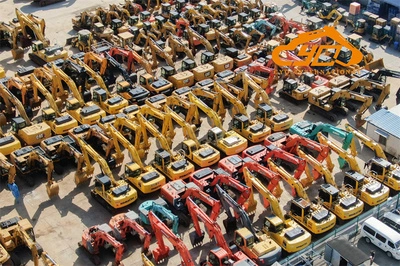
Founded in 1995, Guangzhou Mintrix Excavator Co., Ltd. (also known for our brands RHINOCEROS, XINIU, and Kenstone) represents the pinnacle of Chinese manufacturing excellence. Choosing a Chinese factory for your hydraulic grapple needs offers several strategic advantages:
Guangzhou Mintrix Excavator Co., Ltd. began specializing in producing excavating machinery in 2003. We currently have an annual production capacity of nearly 20,000 units, offering a range of products that includes medium and small wheel excavators, small crawler excavators, our patented wheel-crawler integrated excavators, dump trucks, and skid steer loaders.
Since 2010, we have been actively expanding our international trade business. By 2023, our annual foreign trade sales have reached approximately $70 million. This growth is primarily due to our focus on product development, consistent participation in international engineering machinery exhibitions such as the Canton Fair and Bauma in Germany.
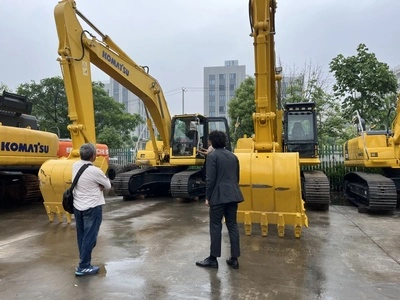
Our R&D personnel are divided into 9 teams, each focusing on developing and improving different models to meet international market needs. For example, in 2014, we were the first to create and produce the first single-cylinder micro excavator in China, which quickly gained popularity in international markets. Our company has obtained certifications for quality management, environmental management, occupational health and safety management, and the DCMM (Level 2) certification. Our products have passed the EU CE certification.
While we pride ourselves on our manufacturing capability, the global market is enriched by several key players. Here is a look at the industry leaders:
 Mintrix Excavator