In the construction industry, fuel consumption is a significant cost factor. Understanding how to reduce fuel consumption in construction machinery is essential for operators and managers alike. By implementing effective strategies, businesses can improve their bottom line and decrease environmental impact.
Construction machinery is often large and complex. It requires careful management to ensure efficiency. Small changes can lead to substantial savings. Regular maintenance is crucial. Dirt and debris can increase fuel use. Properly inflated tires also play a key role. They help machinery operate efficiently and reduce waste.
Operators should also consider training on best practices. Educating staff about optimal operating techniques can lead to better performance. Using the right machinery for specific tasks is another effective approach. However, some may overlook these details, leading to missed opportunities for savings. Reflecting on these aspects can yield significant improvements.
Regular maintenance of construction machinery is key to improving fuel efficiency. According to a recent industry report, properly maintained equipment can reduce fuel consumption by up to 10%. Keeping machinery in top shape ensures optimal performance and minimizes unnecessary fuel waste.
One essential practice is to conduct routine inspections. Check engine health, hydraulic systems, and tire pressure regularly. A small leak or under-inflated tire can lead to significant inefficiencies. The same report indicates that a poorly maintained engine can use 15% more fuel than a well-maintained one. Scheduled maintenance also helps in identifying issues early, reducing the risk of costly repairs later.
Moreover, cleaning air filters and ensuring proper lubrication are simple yet effective tasks. They can significantly improve engine performance. Neglecting these aspects can create long-term challenges and increase environmental impact. Consistent maintenance not only reduces emissions but also lowers operational costs. In the current climate, prioritizing these practices is critical for sustainability in construction operations.
Understanding fuel consumption metrics in heavy equipment is crucial for optimizing efficiency in construction operations. According to a study by the Association of Equipment Manufacturers, fuel can account for up to 30% of a construction project's total costs. Therefore, understanding how to measure and manage fuel usage can lead to significant cost savings. Metrics such as fuel consumption per hour, idle time, and load factors can provide insights into the operational efficiency of machinery.
Regularly monitoring engine load can reduce fuel consumption. When machinery operates below its optimal load, it tends to consume more fuel. Consider recalibrating machinery to ensure peak performance. Identifying heavy machinery's idle time also presents opportunities for savings. Equipment that idles for extended periods should be turned off, as idling can waste over 0.5 gallons of fuel per hour.
Operator training is another vital aspect. Empower operators with knowledge about efficient driving techniques. For instance, smooth acceleration and deceleration can significantly lower fuel consumption. Utilizing telematics systems allows for real-time monitoring of fuel usage, thus providing immediate feedback for operators. These steps contribute to a more sustainable approach while improving overall site efficiency.
Implementing telematics in construction machinery offers a revolutionary approach to fuel management. Real-time fuel monitoring can help reduce consumption and improve operational efficiency significantly. According to a report by McKinsey, construction sites that incorporate telematics can see a 10-15% reduction in fuel usage.
Telematics systems provide key insights into machinery performance. They monitor parameters like idle time, engine speed, and load. By analyzing this data, companies can identify inefficiencies. For example, if machinery idles for too long, teams can adjust schedules to optimize usage. This active management can lead to noticeable fuel savings.
Some effective tips include analyzing fuel consumption trends regularly. Use telematics data to schedule service based on engine performance. This can prevent costly breakdowns and boost fuel efficiency. Additionally, training operators to use machinery optimally makes a difference. Studies show that well-trained operators can improve fuel efficiency by up to 20%.
Incorporating telematics isn’t without challenges. Initial setup costs may deter some firms. There may also be a learning curve as teams adapt to new technologies. It’s important to weigh these factors against potential savings.
Optimizing driving techniques is crucial for enhancing fuel efficiency in construction machinery. Operators can significantly reduce fuel consumption by adopting smoother driving habits. Rapid acceleration and abrupt braking waste fuel. Instead, gradual starts and stops can lead to substantial savings over time.
Proper gear management also plays a vital role. Staying in the right gear ensures the engine operates at its most efficient level. Operators should avoid unnecessary downshifting and revving the engine. This practice not only saves fuel but also minimizes wear and tear on the machinery.
Moreover, regular training for operators is essential. Even skilled drivers may fall into habits that increase fuel usage. Scheduled refreshers on efficient driving techniques can make a difference. A continuous focus on optimizing these behaviors can lead to better fuel economy and lower operational costs. Adjusting driving techniques may seem simple, but the cumulative effects can be profound.
Alternative fuels and technologies are gaining traction in construction machinery. Sustainable options include biodiesel, hydrogen fuel cells, and electric engines. These alternatives can significantly reduce greenhouse gas emissions. Biodiesel, derived from organic sources, burns cleaner than traditional diesel. Hydrogen fuel cells produce only water vapor as a byproduct, making them an attractive choice.
Incorporating electric-powered machinery can also enhance efficiency. Electric engines provide high torque with less noise, benefiting urban construction sites. However, charging infrastructure and battery life are critical concerns. Operators must consider these limitations when adopting new technology.
Transitioning to alternative fuels is not without its challenges. Many construction companies may hesitate due to initial costs or insufficient knowledge. Workers may require training to operate and maintain new machinery. Regular feedback should be encouraged to improve workflows. Embracing these innovative solutions can ultimately lead to cost savings and a greener construction industry.
: Fuel can account for up to 30% of construction project costs. Managing fuel use leads to savings.
Track fuel per hour, idle time, and load factors. These metrics reveal operational efficiency.
Machinery idling wastes over 0.5 gallons of fuel per hour. Turn off equipment during long idling.
Operating machinery below optimal load increases fuel use. Regularly monitor engine load for efficiency.
Training operators on efficient driving techniques reduces fuel consumption. Smooth operations make a big difference.
Telematics offers real-time insights into fuel use and machinery performance. This helps identify inefficiencies.
Regularly check fuel consumption and engine performance data. This can help schedule maintenance effectively.
Initial costs and the learning curve may deter some firms. Consider potential fuel savings before deciding.
Incorporating telematics can lead to a 10-15% reduction in fuel usage.
Recalibration ensures machinery operates at peak performance. This can help reduce unnecessary fuel consumption.
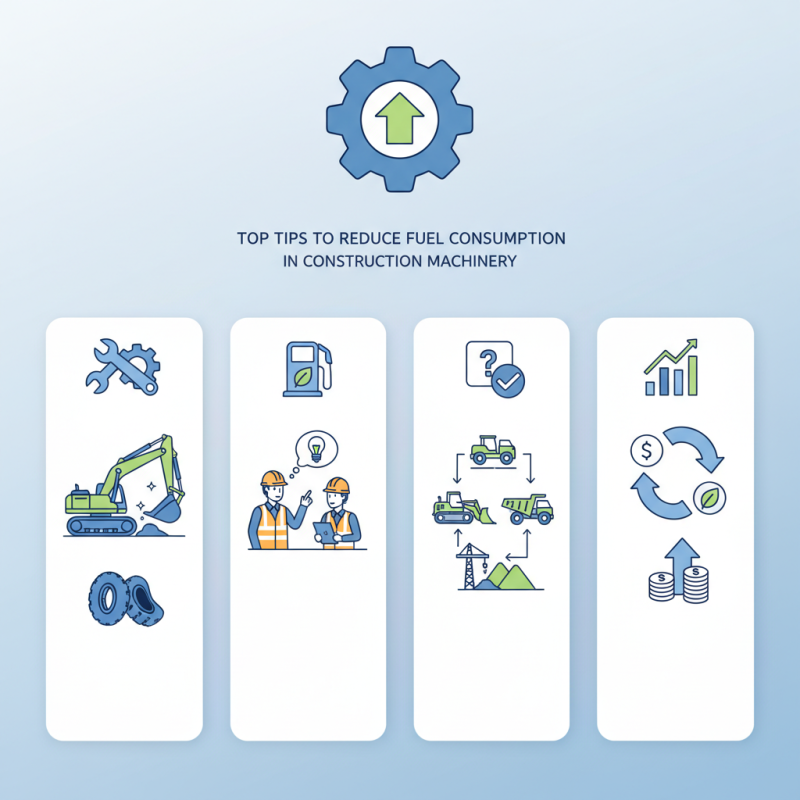
To effectively address how to reduce fuel consumption in construction machinery, several best practices must be adopted. Regular maintenance of construction equipment is crucial, ensuring that machinery operates efficiently and reducing unnecessary fuel wastage. Understanding fuel consumption metrics in heavy equipment allows operators to identify patterns and make informed decisions about usage.
Additionally, implementing telematics can facilitate real-time fuel monitoring, helping managers track usage and optimize performance. Improving driving techniques is also essential as smoother operations can lead to significant fuel savings. Finally, exploring alternative fuels and technologies can present opportunities to further decrease consumption, contributing to both cost savings and environmental sustainability in the construction industry. By integrating these strategies, construction businesses can enhance fuel efficiency and reduce their overall operational costs.

Mintrix Excavator