Excavation equipment plays a crucial role in construction and engineering projects. Understanding what is excavation equipment and how does it work is essential for anyone in the industry. This equipment is designed to move large amounts of earth, facilitating various tasks from digging foundations to trenching. Each machine has unique functions and specifications that cater to specific excavation needs.
Excavators, backhoes, and bulldozers are among the most common types. Excavators, for instance, utilize a boom, stick, and bucket to perform digging tasks. They excel at precise digging and can operate in tight spaces. On the other hand, bulldozers employ a large blade to push soil and debris effectively. Their design allows for powerful earth-moving capabilities, making them invaluable on job sites.
Despite their advantages, reliance on machinery can lead to challenges. Equipment maintenance is vital for optimal performance. Operators must be well-trained to avoid accidents and maximize efficiency. The specifics of these machines can often be confusing. However, understanding their mechanisms provides clarity and enhances operational safety. Recognizing how to choose the right equipment is key in ensuring successful project outcomes.
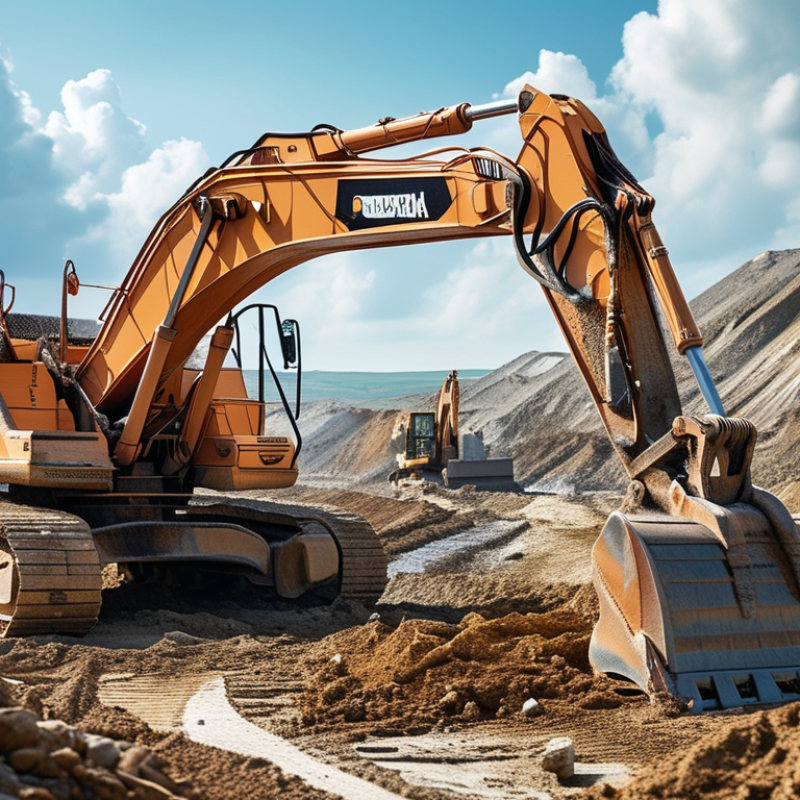
Overview of Excavation Equipment Types and Their Applications
Excavation equipment plays a crucial role in construction and land development. Different types of machinery serve varied purposes. For instance, backhoes are versatile and ideal for digging, lifting, and loading materials. Their small size allows them to work in tight spaces.
Excavators excel in heavy-duty tasks. Equipped with long arms and large buckets, they can efficiently dig deep trenches. Additionally, bulldozers are essential for pushing large quantities of soil. Their robust design helps in clearing sites quickly.
Less common yet significant are trenchers. These machines specifically cut through soil to create narrow trenches for pipelines. The specificity of each equipment type highlights the need for choosing the right tool for a job. Not every project needs an excavator; sometimes a simple shovel suffices. Evaluating project requirements is key to effective excavation.
Functionality of Excavators: How Hydraulic Systems Power Operation
Hydraulic systems play a crucial role in excavator functionality. These systems use hydraulic fluid to create pressure, allowing for powerful movement. The primary components include pumps, cylinders, and valves. When the operator engages controls, the pump directs fluid to specific cylinders, enabling smooth, precise motion.
For instance, when digging, the bucket's hydraulic cylinder extends and retracts, controlling the depth and angle. This dynamic movement reflects the incredible power of hydraulics. However, this process requires careful calibration. Mismanagement can lead to equipment failure or inefficient operation. The learning curve can be steep for new operators.
Regular maintenance is essential for optimal performance. Inspecting hoses, filters, and fluid levels can prevent costly breakdowns. It is vital to keep training updated to ensure operator efficacy. Harnessing hydraulic power isn't just about brute strength; it demands skill and understanding. Recognizing this balance is key to successful excavation work.
Key Features of Bulldozers and Their Role in Earth Moving
Bulldozers are essential in earth-moving tasks. They come equipped with broad, flat blades.
These blades can push large quantities of soil, sand, and debris. The weight of the bulldozer provides necessary traction. Operators can easily maneuver these machines on tough terrains.
A bulldozer's versatility stands out. It can scrape, level, and dig. These machines perform multiple functions at job sites.
The hydraulic system allows the operator to adjust the blade's angle and depth. This precision enhances efficiency. However, operators must be trained.
Improper use can lead to accidents and ineffective operations.
Despite their power, bulldozers have limitations. They struggle in extremely rocky terrains.
Too much weight can also cause soil compaction. This affects future planting or construction.
Understanding these nuances is vital for effective project execution.
Knowledge about the machine's capacity ensures better decisions in the field.
Knowing when to use alternative equipment is equally important.
Understanding the Mechanisms of Backhoe Loaders in Excavation Tasks
Backhoe loaders are versatile machines vital for excavation tasks. Their design combines a loader at the front and a backhoe at the rear. This dual capability allows for efficient digging, lifting, and moving materials. The front loader can handle dirt and debris, while the backhoe excels at digging foundations or trenches. Each component works together seamlessly, making these machines valuable on construction sites.
Understanding their mechanism reveals the engineering behind their effectiveness. Hydraulic systems power the arms of both the loader and the backhoe. When operators engage the hydraulic controls, this fluid movement translates into strong lifting and digging forces. These machines can reach depths of over 14 feet, depending on the model. However, users must be cautious; improper operation can lead to safety risks and equipment damage.
Despite their robustness, backhoe loaders have limitations. They are not as powerful as larger excavators. In tight spaces, maneuverability can be a challenge. Operators need to adapt to various job site conditions. These machines require routine maintenance, such as checking hydraulic fluid and ensuring the bucket is properly aligned. Understanding these nuances is essential for maximizing performance and extending the equipment's lifespan.
Top 10 Excavation Equipment and Their Work Mechanisms
| Equipment |
Work Mechanism |
Primary Use |
Operating Weight (lbs) |
| Backhoe Loader |
Articulated arm with a bucket on one end and a loader on the other. |
Digging, lifting, and moving material. |
14,000 - 20,000 |
| Excavator |
Hydraulic system with a rotating base and boom arm. |
Excavation, trenching, and demolition. |
20,000 - 100,000 |
| Bulldozer |
Large blade at the front, powered by tracks for traction. |
Moving large amounts of earth and grading. |
30,000 - 70,000 |
| Skid Steer Loader |
Compact size with lifting arms for attachments. |
Excavating, lifting, and transporting materials. |
6,000 - 10,000 |
| Trencher |
Chain or rotating drum for cutting through soil. |
Creating trenches for pipelines or irrigation. |
3,000 - 12,000 |
| Mini Excavator |
Compact design with tracks for stability. |
Residential landscaping and tight space digging. |
1,800 - 13,000 |
| Loader |
Bucket on front with hydraulic lift for loading materials. |
Loading and transporting materials around the site. |
10,000 - 30,000 |
| Power Shovel |
Cable-operated or hydraulic mechanism with a bucket. |
Dredging and excavation in large areas. |
40,000 - 120,000 |
| Dumper Truck |
Open container with hydraulic tipping capability. |
Transporting excavated material away from site. |
40,000 - 70,000 |
| Compactor |
Heavy plate or roller to compress soil. |
Compacting soil during groundwork preparation. |
2,000 - 10,000 |
Comparative Analysis of Compactors and Their Efficiency in Soil Compaction
Compactors play a crucial role in soil compaction for construction projects. Their efficiency directly impacts the stability of structures. According to a report by the American Society of Civil Engineers, proper soil compaction can enhance load-bearing capacity by up to 30%. This statistic underscores the importance of choosing the right compaction equipment.
Different types of compactors are available, each with unique mechanisms. Vibratory plate compactors are effective for granular soils, using rapid vibrations to achieve compaction. Conversely, smooth drum rollers apply uniform pressure over larger areas, making them ideal for cohesive soils. A detailed analysis revealed that vibratory compactors can increase density by nearly 20% compared to static models.
Tips: Always assess soil type before selecting a compactor. Testing soil compaction after each pass can prevent future structural issues. It's vital to monitor fuel use; inefficient machines can increase operational costs.
In many instances, operators may overlook the benefits of maintaining machinery. Regular inspection ensures optimal performance and longevity. As reported, inadequate maintenance can decrease a compactor's efficiency by 15%, ultimately affecting project timelines and budgets. Identifying these shortcomings is critical for improving overall project outcomes.
Comparison of Soil Compaction Efficiency of Different Excavation Equipment
FAQS
: Hydraulic systems use fluid to create pressure, enabling powerful movement in excavators.
The operator engages controls, directing fluid to cylinders for smooth, precise motion.
Regular maintenance prevents costly breakdowns and ensures optimal performance.
Equipment failure and inefficient operation may result from mismanagement or inadequate training.
Bulldozers have broad blades that can push large quantities of soil and debris efficiently.
Lack of training can lead to accidents and ineffective operations, reducing overall efficiency.
Terrain type and weight can affect a bulldozer's effectiveness, particularly in rocky areas.
Soil type significantly impacts compaction efficiency; selecting the right equipment is crucial.
Monitoring fuel use is essential, as inefficient machines can increase operational costs.
Inadequate maintenance can decrease efficiency by 15%, impacting project timelines and budgets.
Conclusion
Excavation equipment plays a crucial role in construction and earth-moving tasks by providing powerful, efficient solutions for various applications. Understanding "what is excavation equipment and how does it work" is essential for professionals in the field. This equipment includes a variety of machines such as excavators, bulldozers, backhoe loaders, and compactors, each designed to perform specific functions. For instance, excavators utilize hydraulic systems to facilitate digging and lifting operations, while bulldozers are equipped with strong blades to move large quantities of earth with ease.
Moreover, backhoe loaders combine the capabilities of both excavators and loaders, making them versatile for trenching and lifting tasks. Compactors, on the other hand, are essential for soil compaction, ensuring a stable foundation for construction. A comparative analysis of these machines reveals their distinct efficiency in executing excavation tasks, highlighting the importance of selecting the right equipment for optimal results in construction projects.

 Mintrix Excavator