Choosing the right excavating equipment for construction is critical. The right tools can significantly affect project efficiency and safety. In the dynamic world of construction, understanding how to choose the right excavating equipment is essential. Each project presents unique challenges that require careful consideration of various factors.
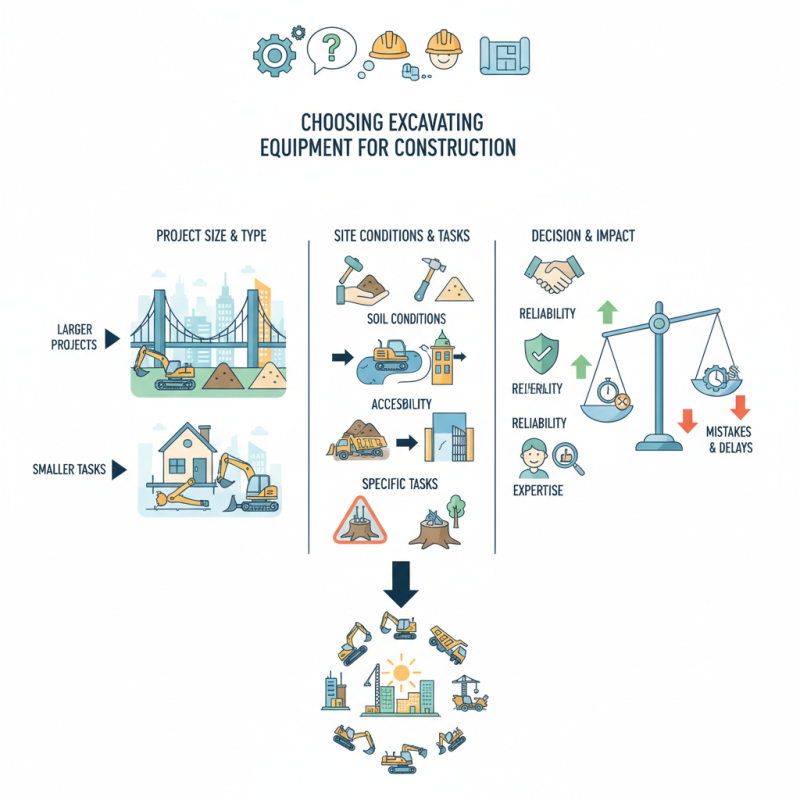
When selecting equipment, think about the project size and type. Larger projects may need more powerful machinery, while smaller tasks can often be completed with compact equipment. Additionally, consider the soil conditions, accessibility, and the specific tasks at hand. This process can be complex. Mistakes in equipment selection may lead to delays and increased costs.
Always prioritize reliability and expertise. Rely on manufacturers with a solid reputation. Seek advice from experienced professionals in the field. This insight can guide you in making informed decisions. Remember, it’s not just about the equipment itself but also understanding its capabilities and limitations. Being thorough in this process can help avoid frustration later on. Take the time to evaluate all options carefully.
When choosing excavating equipment for construction, understanding the various types available is essential. Different projects require different tools. For instance, a mini-excavator is ideal for tight spaces, measuring about 4 to 7 tons. Yet, larger projects may need hydraulic excavators, which can weigh over 80 tons and offer greater digging depth.
The versatility of attachments also plays a critical role in equipment selection. According to a recent industry report, approximately 60% of operators prefer machines that can switch attachments easily. This flexibility can enhance productivity on various job sites. Common attachments include buckets, rippers, and hydraulic hammers. Each attachment serves a specific purpose, ranging from digging trenches to breaking concrete.
Operators should also consider factors such as operational costs and maintenance. Data from construction forums indicate that nearly 30% of machinery downtime is due to maintenance issues. Proper maintenance can reduce these costs significantly. Evaluating the equipment's reliability is crucial, as frequent repairs can affect project timelines and budgets. Each choice impacts overall efficiency and project success, making thoughtful consideration vital.
| Equipment Type | Description | Ideal Uses | Operating Weight (lbs) | Bucket Size (cu yd) |
|---|---|---|---|---|
| Excavator | Versatile heavy equipment used for digging, lifting, and carrying | Site preparation, trenching, and demolition | 10,000 - 120,000 | 0.5 - 5.0 |
| Backhoe Loader | Combination of a loader and excavator; versatile for small projects | Roadwork, landscaping, and utility work | 4,000 - 25,000 | 0.3 - 1.0 |
| Skid Steer Loader | Compact and highly maneuverable equipment for tight spaces | Landscaping, debris removal, and material handling | 1,500 - 8,000 | 0.4 - 1.5 |
| Bulldozer | Tracked vehicle with a broad blade used for pushing terrain | Site clearing, grading, and moving large quantities of material | 15,000 - 100,000 | N/A |
| Mini Excavator | Small, lightweight excavator ideal for residential projects | Utility installation, small trenching, and yard work | 1,500 - 10,000 | 0.3 - 1.0 |
: Evaluate soil type, site conditions, and dimensions. Understand if the soil is clay, sand, or rocky.
Soil type affects equipment choice. Some machines struggle in rocky terrains.
About 85% of projects face unforeseen challenges, often due to poor depth or over-excavation.
Conduct thorough assessments and reflect on your planning to improve success rates.
Check online reviews, reputation, and customer feedback to ensure reliability.
Yes, face-to-face visits allow you to inspect equipment and ask vital questions.
Consult with industry professionals for tailored advice.
Building trust can lead to better deals and support over time.
Underestimating costs can lead to financial strain. Proper assessment improves resource allocation.
Not considering specific project needs can lead to costly errors. Seek varied opinions for better choices.
When deciding how to choose the right excavating equipment for construction, it's essential to understand the various types of equipment available and how they align with your project's specific excavation requirements. Each project has unique demands, and evaluating the size and power of the equipment is crucial to ensure it meets those needs.
In addition to matching equipment to project specifications, consider budget constraints and long-term maintenance costs that can impact your overall investment. Researching reputable equipment suppliers and exploring rental options can also provide cost-effective solutions. By balancing these factors, you can make informed decisions that lead to successful excavation outcomes.

 Mintrix Excavator