Excavation work poses significant risks, making safety essential. Workers and supervisors must understand what safety rules should be followed in excavation work. Adhering to these guidelines ensures the protection of all involved.
Proper training is critical. Workers need to recognize hazards associated with excavation. This includes understanding soil stability and the potential for cave-ins. Communication on-site is vital. Clear signals and procedures can prevent accidents.
Personal protective equipment (PPE) like hard hats and steel-toed boots can minimize injuries. Regular inspections of equipment and the work site are necessary. However, relying solely on rules is not sufficient. Continuous reflection and improvement in safety practices can lead to a safer working environment.
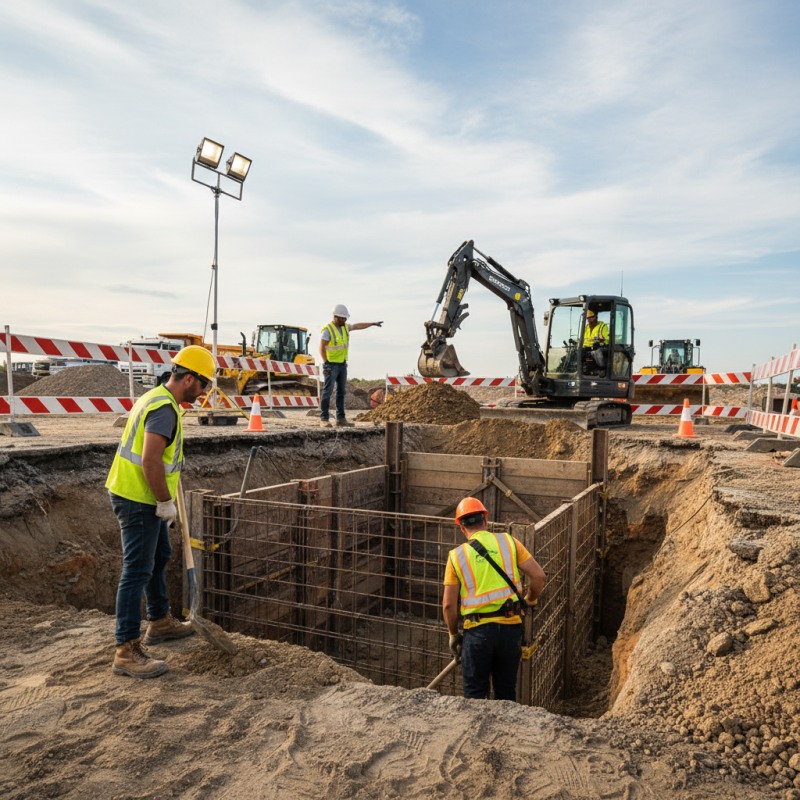
Excavation work is inherently risky. Understanding safety standards is essential for preventing accidents. According to the Bureau of Labor Statistics, excavation-related incidents account for a significant portion of construction fatalities. In 2021, over 50 workers lost their lives due to these hazards. Therefore, adherence to safety guidelines is critical.
Regular training sessions enhance workers' understanding of safety protocols. Knowledge of soil stability, equipment operation, and site inspections is vital. Workers should conduct daily checks of excavation sites. This involves assessing the condition of equipment and looking for signs of soil instability. Proper protective measures can reduce risks significantly.
**Tips:** Always wear personal protective equipment (PPE). Communicate effectively with your team about site conditions. Encourage a culture of safety where workers feel comfortable voicing concerns. Regularly revisit safety procedures as they can change based on the excavation site. Inexperienced workers may overlook essential details, leading to risks. A continuous learning approach fosters a safer work environment.
Excavation work carries inherent risks that professionals must vigilantly monitor. One common hazard is cave-ins. Trenches deeper than five feet can collapse without warning. Proper shoring or protective systems are essential to prevent this. Workers must inspect the trench daily to check for any signs of instability. Frequent assessments can save lives.
Another factor is underground utilities. Striking a gas line or water pipe can have severe consequences. Project managers must ensure that utility locations are identified before digging starts. Using ground-penetrating radar can reveal hidden hazards. Workers need to be trained in utility detection methods. Ignoring these risks can lead to accidents.
Weather conditions also play a role in excavation safety. Rain or high winds can increase the likelihood of slides. Workers should be aware of forecasts and halt operations during severe weather. It is essential to have a response plan in place. Neglecting these precautions can lead to dangerous situations for the entire crew. Regular training sessions on these hazards can foster a culture of safety. Familiarity with risks is crucial for preventing injuries on-site.
This chart illustrates common excavation hazards and their associated risk levels. Monitoring these risks is essential for ensuring safety compliance during excavation work.
Excavation work is inherently risky. Workers face potential hazards from heavy machinery and unstable ground.
Personal Protective Equipment (PPE) plays a crucial role in ensuring safety on site. Proper PPE helps mitigate risks and protects workers from injuries.
Essential PPE includes hard hats, gloves, and steel-toed boots. Hard hats shield against falling objects, while gloves provide grip and dexterity. Steel-toed boots protect feet from heavy equipment.
High-visibility vests are also critical, helping workers be seen in busy environments.
Despite thorough safety measures, incidents can occur. Workers sometimes neglect to wear PPE or fail to inspect it regularly. This oversight can lead to dangerous situations. Continuous training and reminders are essential to ensure every worker adheres to safety protocols.
It's not just about compliance; it's about fostering a culture of safety on every project.
Excavation work presents numerous risks. It is vital to establish effective site safety protocols. A well-defined safety plan saves lives. Implement daily safety briefings for all team members. Discuss potential hazards and ensure everyone understands the risks involved. Regularly review the safety measures in place. This keeps everyone alert and focused on safety.
Proper training is crucial for excavation staff. Provide hands-on training for equipment use. Workers should know how to operate machinery safely. Incorporate routines for checking equipment before use. This practice identifies issues early. Also, emphasize the importance of wearing personal protective equipment. Helmets and reflective vests improve visibility and safety on site.
Mistakes can happen even with protocols in place. Encourage workers to speak up about unsafe conditions. Creating an open culture allows for continuous improvement. Regularly inspect the site for hazards like unstable soil or nearby traffic. Use cones and barriers to protect workers. It is important to adapt and learn from past experiences. This proactive approach can enhance safety in excavation projects.
Excavation work presents many risks. Understanding emergency response procedures is crucial for worker safety. Accidents can occur unexpectedly, so workers need to be prepared. Training sessions should include realistic scenarios. This helps workers recognize hazards and respond appropriately.
In an excavation incident, every second counts. Workers should know how to alert emergency services quickly. Using site-specific communication methods can save lives. Not all workers may know their surroundings well. Regular drills can improve response time. Everyone must be familiar with the layout of the site and potential hazards.
It's important to evaluate past incidents. Analyzing what went wrong helps improve safety measures. Encouraging open discussions about near-misses is necessary. This creates a culture of vigilance. Workers can feel more engaged and responsible for their safety and the safety of others. Preparedness can significantly reduce the severity of accidents.
: Cave-ins are a frequent hazard, especially in trenches deeper than five feet. Proper shoring is essential.
Utility locations must be identified. Ground-penetrating radar can help reveal hidden hazards.
Rain and high winds can increase the risk of slides. Workers should monitor forecasts and stop work during severe weather.
Workers should wear hard hats, gloves, steel-toed boots, and high-visibility vests for safety.
Neglecting PPE can lead to accidents and injuries. Regular inspections and reminders are crucial.
Training should include realistic scenarios. Knowing how to alert emergency services quickly is vital.
Analyzing past incidents helps improve safety measures. Discussing near-misses fosters a culture of vigilance.
Drills can enhance response times in emergencies. Familiarity with site layout is critical for all workers.
Continuous training and open discussions about safety can engage workers and encourage responsibility.
Being prepared can significantly minimize the impact of accidents. Every worker's readiness is essential for safety.
In the realm of excavation work, understanding safety rules is paramount to ensuring a secure work environment. A comprehensive grasp of excavation safety standards is essential, as it sets the foundation for identifying common hazards and risk factors that workers may encounter. Personal Protective Equipment (PPE) plays a crucial role in safeguarding personnel from potential dangers, making it an indispensable component of excavation operations.
Implementing effective site safety protocols further enhances protection by providing clear guidelines for safe practices. In the event of an incident, having established emergency response procedures is vital for mitigating injuries and facilitating swift rescue efforts. Ultimately, understanding what safety rules should be followed in excavation work is critical to safeguarding lives and promoting a culture of safety on-site.

Mintrix Excavator