In the construction industry, fuel consumption is a significant concern. Understanding how to reduce fuel consumption in construction machinery is essential for both economic and environmental reasons. High fuel costs can eat into project budgets, making efficient machinery operation crucial.
Innovative technologies and proper maintenance practices can significantly impact fuel efficiency. Regularly servicing machines, calibrating engines, and using the right fuels can lead to better performance. However, the challenge lies in consistent implementation. Many operators overlook routine checks, leading to inefficiencies.
Awareness and training are also vital. Educating operators on fuel-saving techniques can optimize machinery use. Simple actions, such as reducing idling time, can lead to noticeable savings. Moreover, it’s important to assess whether older equipment meets current demands efficiently. Reflecting on these practices can unveil opportunities for improvement in fuel consumption strategies within projects.
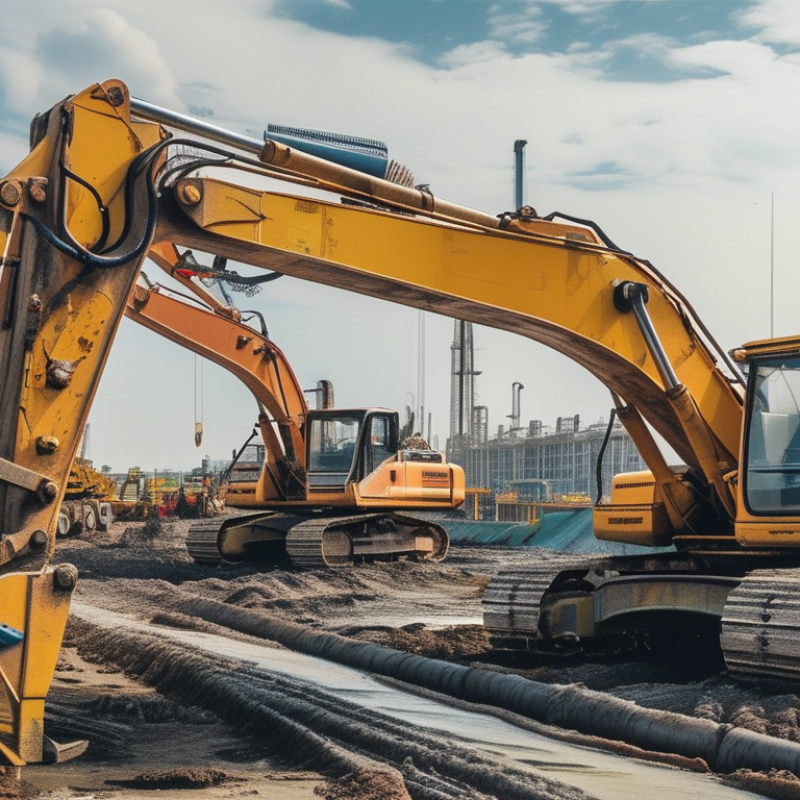
Reducing fuel consumption in construction machinery is crucial. It not only saves money but also minimizes environmental impact. Operators should focus on proper machine maintenance. Regularly checking oil levels, air filters, and tire pressure can enhance efficiency. Poorly maintained machinery consumes more fuel.
Training operators is essential. Skilled operators understand how to use machinery efficiently. They can adjust settings for different tasks which leads to reduced fuel use. Additionally, using machinery in optimal conditions is vital. High-load operations may demand additional fuel, leading to inefficiency. Observing job site conditions can help optimize fuel consumption.
Implementing technology can also be a game-changer. Telematics systems provide data on machine performance. Analysis of this data can reveal patterns leading to waste. However, not all contractors utilize these technologies effectively. Some struggle with adoption due to costs or lack of understanding. Addressing these challenges can enhance fuel efficiency practices in a significant way.
Proper maintenance of construction machinery significantly impacts fuel efficiency. According to a report by the Construction Industry Institute, poorly maintained equipment can lead to a fuel consumption increase of up to 30%. Regular checks can address small issues before they become costly problems. This preventive approach saves both fuel and repair costs.
A study by the National Institute for Occupational Safety and Health revealed that routine maintenance can not only enhance machinery performance but also improve operator safety. Clean filters and lubricated moving parts ensure that engines run more efficiently. However, many operators neglect these practices, resulting in high fuel costs and underperformance.
Data suggests that operators using a comprehensive maintenance schedule experience up to a 15% reduction in fuel consumption. Simple actions, like monitoring tire pressure and scheduling oil changes, can make a substantial difference. But the reality is that many construction firms often overlook these crucial details, leading to wasted resources and increased emissions.
Optimizing engine performance is key to minimizing fuel use in construction equipment. Improved engine efficiency can reduce fuel consumption by up to 30%, as reported by various industry studies. This significant reduction translates to substantial cost savings and a lower environmental impact. A well-maintained engine operates leaner, producing fewer emissions and maximizing output.
Regular maintenance checks are vital. Inspect air filters, fuel injectors, and exhaust systems to ensure optimal performance. An engine with a dirty air filter can consume 10% more fuel. Calibration of the fuel injection system enhances performance and efficiency. Additionally, using synthetic oils may improve engine performance, leading to better fuel economy.
Another effective strategy is to adopt advanced technologies. Telematics systems can provide real-time data on equipment performance. This data helps identify inefficiencies and allows for timely interventions. Adequate training for operators also plays a critical role. Operators should be trained to recognize inefficient operating habits, as improper operation can waste up to 20% more fuel. Investing in this knowledge can lead to smarter, more fuel-efficient practices.
Fuel consumption is a critical concern in construction machinery. Implementing fuel management systems can significantly reduce costs. These systems track fuel usage accurately and provide insights into consumption patterns. By monitoring fuel levels and usage trends, construction firms can identify inefficiencies that may be wasting resources.
Training operators on efficient practices can further enhance fuel savings. It's important to ensure that machinery is properly maintained. Regular checks can prevent issues that lead to excess fuel consumption. However, many companies skip preventative maintenance. This can lead to increased costs and environmental impact.
Data analytics plays a vital role in optimizing fuel management. Analyzing fuel consumption helps in making informed decisions about asset utilization. Yet, some organizations struggle to interpret this data effectively. They may miss out on uncovering actionable insights. Continuous improvement should be the goal, but it requires commitment and reflection on current practices.
Alternative fuels are gaining traction in the construction industry due to their potential to significantly reduce fuel consumption. According to a report by the International Energy Agency (IEA), switching to biofuels can lower greenhouse gas emissions by 50% compared to traditional diesel. This shift not only helps the environment but also cuts operating costs.
Many construction companies are incorporating alternative fuels like bio-diesel and compressed natural gas (CNG). Research indicates that CNG engines can improve fuel efficiency by up to 30%. These fuels often provide cleaner combustion, which means less wear and tear on machinery. The long-term benefits are tangible, posing a key advantage for fleet management.
Tip: Regular maintenance of machinery can maximize the benefits of using alternative fuels. Ensuring optimal engine performance can lead to further reductions in fuel consumption.
Adopting alternative fuels is not without its challenges. Infrastructure for refueling may be limited in some areas. Companies must weigh the costs of transitioning to these new fuels against potential savings. Balancing innovation with operational realities is crucial for success.
Tip: Research local infrastructure before making any major fuel transitions. Understanding your region's capabilities can smooth the switch to alternative options.
: Reducing fuel consumption saves money and minimizes environmental impact.
Regularly check oil levels, air filters, and tire pressure to enhance efficiency.
Skilled operators adjust machinery settings for tasks, leading to reduced fuel use.
Telematics systems provide data that reveals performance patterns and inefficiencies.
Improved engine efficiency can reduce fuel use by up to 30%, leading to cost savings.
Many companies skip preventative maintenance, causing increased costs and waste.
Data analytics helps identify usage patterns and informs decisions on asset utilization.
Organizations may struggle with data interpretation and miss actionable insights.
Observing conditions helps optimize machinery use, potentially reducing fuel consumption.
Inefficient operating habits can waste up to 20% more fuel, emphasizing the need for training.
In addressing the question of how to reduce fuel consumption in construction machinery, several best practices can be employed to enhance efficiency and lower costs. Regular machinery maintenance plays a crucial role in optimizing fuel efficiency; well-maintained equipment tends to consume less fuel. Additionally, focusing on optimizing engine performance ensures that machinery operates at peak efficiency, further minimizing fuel use.
Moreover, implementing fuel management systems can track and analyze fuel consumption patterns, allowing for strategic adjustments that lead to significant savings. Finally, exploring the benefits of alternative fuels offers a promising approach to decrease fuel consumption rates while promoting sustainability within the construction industry. By integrating these strategies, construction companies can effectively manage their fuel use and reduce overall operational costs.

Mintrix Excavator