Choosing construction equipment in 2026 is less about buying the biggest machine and more about matching it to real site conditions. A 20-ton excavator can look impressive, but it may spend the week waiting beside a narrow trench. Start with the work: material, ground conditions, lifting needs, transport limits, and expected operating hours. Then compare total cost of ownership, including fuel or electricity, maintenance, attachments, operator training, and resale value. The dealer’s parts stock matters, too. A low purchase price is small comfort when a critical machine sits idle.
Industry data adds useful context. The 2024 Global Status Report for Buildings and Construction, published by UNEP and GlobalABC, estimates that the sector accounted for 34% of global energy demand and 37% of energy- and process-related carbon dioxide emissions in 2022. McKinsey’s 2017 construction productivity analysis found that labor productivity in construction had grown about 1% annually over two decades, compared with 3.6% in manufacturing. These figures do not predict one fleet’s costs, but they explain growing interest in efficient, connected, and lower-emission equipment. Caterpillar CEO Jim Umpleby has described the company’s purpose as helping customers “build a better, more sustainable world.” That ambition is relevant, but the right machine still depends on your site, charging access, service network, and utilization. Sometimes the sensible choice is not the newest one.
So, what is the future of construction equipment industry? Likely a mix of automation, cleaner power, and better fleet data—not one technology replacing everything. Test the assumptions. Ask for duty-cycle evidence, service response times, and a realistic operating-cost estimate. I may be wrong about which powertrain wins fastest; local conditions will matter more than slogans.
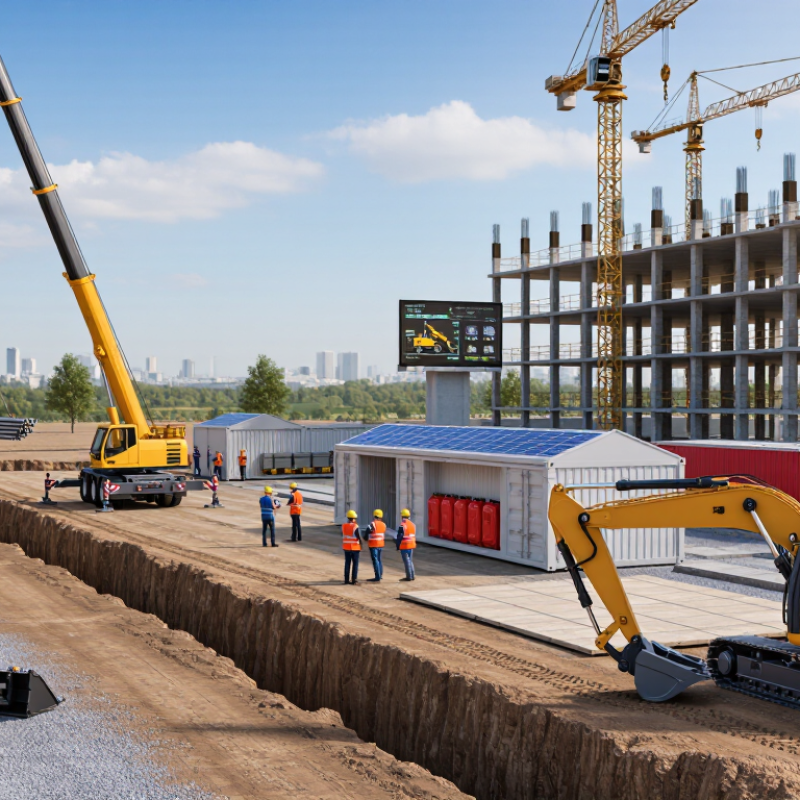
Define Project Scope, Site Conditions, and Equipment Requirements
Start by defining the work, not by browsing equipment. List the heaviest loads, lift heights, digging depths, haul distances, and expected daily work cycles. A small grading job may need a compact machine, while repeated loading can justify greater capacity. Be specific. “Move soil” is not a usable scope.
Walk the site and note ground firmness, slopes, tight turns, overhead obstructions, and access width. Soft ground after rain can make a suitable machine unsafe or slow. Check delivery routes and space for setup, too. A machine that fits the task may not fit through the gate. Measure it.
Match equipment capacity to the hardest routine task, then check attachments, fuel needs, transport limits, and operator availability. Allow room for changing conditions, but avoid paying for capacity that sits idle. Compare the machine’s working dimensions with the site plan and confirm details with a qualified equipment provider. Estimates are imperfect; mine would be, too. Record assumptions, such as dry ground or an unobstructed route, and revisit them before work begins.
How to Choose Construction Equipment in 2026: Define Project Scope, Site Conditions, and Equipment Requirements
Site-condition check: Typical ground pressure varies with machine size, attachments, and operating conditions. Lower-pressure equipment may be better suited to weak or sensitive ground, but always assess site bearing capacity and confirm specifications for the exact machine before selection.
Match Equipment Types to Construction Tasks
How to Choose Construction Equipment in 2026
Choosing equipment begins with the task, not the machine’s size. For narrow utility trenches, a compact excavator can maneuver through tight access points and disturb less ground. Large earthmoving jobs may need a crawler dozer, while a wheel loader suits repeated loading on firm, level surfaces. For lifting steel or roof materials, check the required reach and load chart—not only the rated capacity. A machine that can safely reach the work area is more useful than one that simply looks powerful.
Tips: Walk the equipment route before delivery. Check gate widths, overhead cables, slope, and soil conditions. Start with the ground. Soft soil may require lower ground pressure or temporary mats. Measure twice.
Match the machine to the material and work cycle, too. A skid steer can move pallets or clear debris in confined areas, but it may be inefficient for long hauls. Dump trucks are better suited to transporting material across a site. Consider how often equipment will move, how much space it needs to turn, and whether attachments fit the task. Real sites rarely match the plan perfectly; allow room for changing access or unexpected soil, and reassess if the machine strains, sinks, or spends more time waiting than working.
Compare Capacity, Performance, and 2026 Technology
Choosing construction equipment in 2026 starts with the work, not the machine’s headline rating.
Estimate typical loads, maximum reach, lift height, and hours per shift. A loader moving wet soil needs different capacity than one shifting light aggregate. Check the load chart at the actual reach; rated capacity can fall as the load moves outward. Measure twice. Also consider ground conditions, transport limits, and attachment weight. A machine that is technically powerful may still be awkward on a narrow, muddy site.
Compare performance under realistic conditions.
Look at cycle time, fuel or energy use, service access, and operator visibility. Ask for a demonstration with similar materials and attachments. New technology can help in 2026: telematics may show idle time, service alerts, and utilization, while onboard assistance can support safer operation. But features vary, and data is only useful when someone reviews it. Confirm sensor accuracy, connectivity, training needs, and how operating data is handled. I’d still leave room for judgment; a dashboard cannot describe every uneven patch of ground.
Tips:
Match capacity to your heaviest routine task, with a sensible safety margin. Compare total operating cost, not just purchase price. Have operators test controls and visibility before deciding. Record a short trial, then check whether the promised performance held up.
Evaluate Purchase, Rental, and Total Operating Costs
How to Choose Construction Equipment in 2026
Buying equipment can suit steady, year-round work. Compare the purchase price with financing, insurance, storage, and expected resale value. Then estimate total operating costs: fuel, routine servicing, repairs, tires, transport, and operator time. A machine that looks affordable may spend too many days parked. Track expected working hours, not just the number of projects. That matters.
Tips: Ask rental providers for delivery, pickup, cleaning, and overtime charges. Check what maintenance is included. Keep a written estimate beside your own cost forecast.
Renting can help with short projects, seasonal peaks, or unfamiliar tasks. It limits long-term maintenance commitments, but frequent rentals can become expensive. Include delivery delays and the cost of waiting when equipment is unavailable. A spreadsheet can miss those awkward gaps. Be honest about utilization; early estimates are often too optimistic.
Compare options over the same time period and workload. For example, calculate the cost per productive hour, including downtime and operator expenses. Review local service access and parts availability, since a delayed repair can disrupt several crews. Recheck the numbers when fuel prices, schedules, or project scope change. There may be no perfect choice—just a better-supported one.
How to Choose Construction Equipment in 2026 - Evaluate Purchase, Rental, and Total Operating Costs
| Equipment Type |
Typical New Purchase Price (USD) |
Typical Rental Fee (USD) |
Estimated Owned Cost per Machine Hour (USD) |
Best-Fit Consideration |
| Compact excavator (3–5 metric tons) |
$45,000–$75,000 |
$250–$450 per day |
$35–$65 |
Rent for short or intermittent jobs; consider buying when utilization is steady and transport and storage are available. |
| Skid-steer loader |
$45,000–$80,000 |
$250–$450 per day |
$40–$75 |
Compare attachment needs and tire or track wear; frequent use across multiple jobs can support ownership. |
| Backhoe loader |
$100,000–$170,000 |
$400–$700 per day |
$65–$115 |
Useful for mixed digging and loading work; renting can suit projects that need the machine only occasionally. |
| Mid-size excavator (approximately 20 metric tons) |
$180,000–$300,000 |
$800–$1,400 per day |
$120–$210 |
Evaluate expected annual hours, haulage, maintenance capacity, and the cost of keeping a large machine between projects. |
| Wheel loader (mid-size) |
$150,000–$280,000 |
$700–$1,200 per day |
$105–$190 |
Ownership may suit continuous material-handling work; rental can reduce idle-time and repair exposure on temporary jobs. |
Planning estimates in USD; actual prices and rental terms vary by machine size, location, condition, attachments, and contract length. Rental fees are equipment-only estimates, commonly based on an 8-hour day; delivery, taxes, fuel, operator, and damage charges may be extra. Owned hourly costs are indicative total-cost estimates based on five years of ownership at 500 machine hours per year, including estimated depreciation, financing, insurance, storage, and routine maintenance, but excluding fuel and operator costs. Obtain local quotes and compare costs using your expected utilization and project duration.
Verify Safety, Compliance, and Service Support
When choosing construction equipment in 2026, treat safety records as part of the machine, not paperwork to review later. Ask for inspection reports, maintenance logs, and the operator’s manual before purchase or rental. Check that guards, access steps, seat belts, and warning systems are present and work as intended. Paperwork matters. Confirm that the equipment’s configuration and documentation match the rules that apply at your job site; requirements can vary by location and task.
A quick walk-around can reveal loose fittings, damaged hoses, worn tires, or unreadable safety labels. Test controls in a clear area and ask how shutdown and emergency procedures work. Do not rely on a sticker alone. A clean exterior may hide neglected service, while a few scratches may mean little. I would still be cautious: even a thorough inspection cannot predict every failure.
Service support deserves the same scrutiny. Ask how quickly a technician can respond, where common replacement parts are stocked, and whether support is available during your working hours. Get response times and warranty coverage in writing, including what is excluded. A low purchase price can become expensive if one small part keeps a crew waiting. Compare the support plan with your site’s distance from repair facilities and expected daily use. Some details will remain uncertain, so keep a realistic downtime allowance in your equipment plan.
Conclusion
Choosing construction equipment in 2026 starts with a clear understanding of the project’s scope, timeline, site conditions, and workload. Terrain, access, available space, and environmental factors can all affect which machines are suitable. Once the requirements are defined, match equipment types to specific tasks, such as earthmoving, lifting, material handling, or finishing. Compare capacity, operating performance, fuel or energy use, and technology features to ensure the equipment can work efficiently without being oversized for the job.
Next, assess whether buying or renting makes more sense by comparing upfront costs, expected utilization, maintenance, transport, and other operating expenses. Check that each option meets applicable safety and compliance requirements, and confirm that dependable service, parts, and operator support are available. These practical considerations also help explain what is the future of construction equipment industry: equipment decisions are increasingly shaped by efficiency, connected technology, sustainability, and the need for reliable support throughout a project’s life.

 Mintrix Excavator