Excavation performance is crucial in construction and civil engineering. Many factors impact how effectively an excavation project is executed. Understanding what factors affect excavation performance can lead to better planning and execution.
Weather conditions, for instance, can heavily influence excavation activities. Rainy days may delay progress, while extreme heat can affect machinery. Soil type is another significant factor. Soft soil can lead to quicker excavation, but hard rocks present challenges. Machine efficiency and operator skill are also essential variables. Experienced operators can maximize machine potential, while newer operators may struggle.
The project’s location poses unique challenges. Proximity to utilities or buildings requires careful planning and execution. Safety measures also play a vital role. Inadequate safety protocols can hinder excavation work and endanger lives. There is always room for improvement when examining excavation processes. Understanding and addressing these factors can enhance performance and minimize delays. Careful evaluation can lead to more efficient operations in future projects.
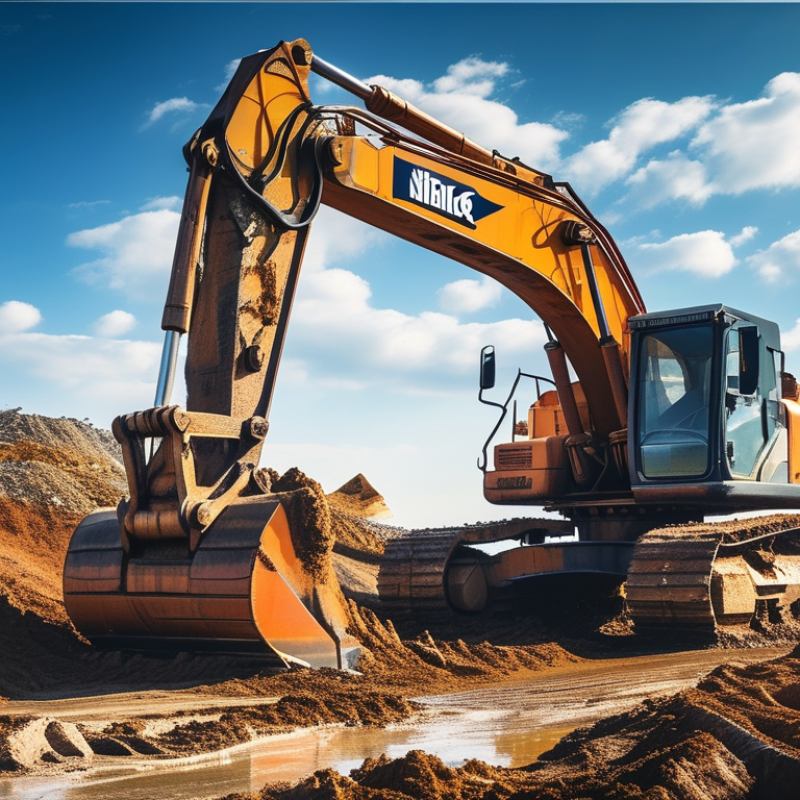
Soil type plays a critical role in excavation performance. Different soil compositions can drastically affect excavation speed and equipment efficiency. For instance, clay soils tend to be more cohesive, making them challenging for excavation. According to the U.S. Geological Survey, clay can reduce excavation rates by as much as 30% compared to sandy soils. This is crucial for project timelines and budget management.
Geological conditions also impact excavation. Rocky terrains demand more powerful machinery, which often leads to increased operating costs. A report from the National Institute for Occupational Safety and Health notes that excavating in hard rock can raise costs by 50% due to wear and tear on equipment. Additionally, changes in groundwater levels can affect soil stability, leading to safety hazards. Such factors may compel contractors to rethink excavation methods mid-project.
Project managers must assess soil and geological conditions thoroughly. Misjudging these parameters can lead to ineffective strategies and unexpected delays. Understanding the complexities of soil is not just about knowing the types. It's imperative to analyze their behavior under different conditions. Adapting to these realities can enhance overall excavation performance.
This chart illustrates the top 10 factors that influence excavation performance related to soil type and geological conditions. Each factor is measured on a scale from 1 to 10, with 10 representing the highest impact on excavation performance.
Weather and environmental conditions play a crucial role in excavation projects. Rain can create muddy conditions, making it difficult for machinery to operate. Excessive moisture can lead to soil erosion and instability, posing risks to safety. Even light drizzle can impact progress, as workers must be cautious. High temperatures can also cause challenges. Hot weather can lead to fatigue and reduce the efficiency of the crew. Workers should take regular breaks to stay hydrated and focused.
Wind is another factor that can be overlooked. Strong gusts can affect the stability of cranes and other equipment. Dust storms can reduce visibility, making it hard to work safely. Consequently, projects must be adapted according to these conditions. In colder climates, freezing temperatures can create hard ground, making excavation difficult without heating methods. Each of these factors requires careful planning and adjustments. Adapting to the environment is essential for successful excavation. Ignoring these aspects can lead to unexpected delays and increased costs.
The selection and maintenance of excavation equipment play a crucial role in excavation performance. Industry reports indicate that equipment inefficiencies can lead to a 20% increase in project costs. Understanding the right tools for specific soil conditions is essential. For instance, using a backhoe for hard ground can result in over-exertion and increased wear on machinery.
Regular maintenance is equally vital. A study found that neglecting maintenance can reduce equipment lifespan by 30%. Scheduled services should include checking hydraulic systems and ensuring proper lubrication. Operatives need training to recognize early signs of equipment failure. When teams identify issues before they escalate, it preserves both time and budget.
The complexity of excavation tasks means that operators must be adaptable. Each project may require different equipment configurations. Failing to assess equipment before a job can lead to setbacks. In some cases, teams have reported delays of up to two weeks due to equipment miscalculations. Such outcomes highlight the need for a strategic approach in selecting and maintaining excavation tools.
Site preparation and planning are crucial for excavation efficiency. A well-prepared site significantly enhances productivity and reduces delays. This process involves surveying the land and identifying underground utilities. Accurate assessment ensures fewer surprises during excavation.
Preparing a site doesn't just mean clearing the area. It also involves proper logistics planning for equipment and materials. This ensures that everything needed is on-site at the right time. The layout should facilitate easy access for machinery. Without this, even the best machines can underperform.
Consider conducting a pre-excavation meeting with your team. Discuss potential challenges and establish safety protocols. This approach fosters open communication. Knowing what to expect minimizes risks and improves morale. A plan can also help in managing unexpected obstacles. Being adaptable is key to successful excavation. Be prepared to modify strategies as conditions change.
| Factor | Description | Impact on Performance | Importance (1-10) |
|---|---|---|---|
| Site Preparation | Proper planning and clearing of the site to ensure optimal access and safety. | Directly affects equipment efficiency and safety. | 10 |
| Soil Type | Different soil types require varying excavation techniques and machinery. | Influences excavation speed and equipment wear. | 9 |
| Weather Conditions | Rain, snow, and extreme temperatures can halt operations. | Affects safety and workflow efficiency. | 8 |
| Equipment Maintenance | Regular checks and servicing to ensure machinery is functional. | Minimizes breakdowns and maximizes productivity. | 9 |
| Project Scale | Larger projects may require more resources and time. | Complexity impacts scheduling and labor needs. | 7 |
| Labor Skills | Experience and training levels significantly affect productivity. | Highly skilled workers can enhance project completion speed. | 9 |
| Access to Resources | Proximity to materials and tools can streamline work. | Reduces downtime in transporting necessary items. | 8 |
| Safety Regulations | Compliance with safety standards prevents accidents and delays. | Essential for protecting workers and minimizing legal issues. | 10 |
| Communication | Clear lines of communication enhance coordination among the team. | Ensures everyone is on the same page, reducing errors. | 8 |
| Technology Utilization | Use of advanced technology can optimize excavation processes. | Improves precision and efficiency in excavation tasks. | 9 |
The role of skilled labor in excavation projects cannot be overstated. According to industry reports, effective training programs can raise project efficiency by up to 30%. Well-trained workers understand equipment operation better. This leads to lower downtime and increased safety. Their expertise directly affects the quality of work completed.
Training not only improves outcomes but also enhances team morale. Workers who feel competent tend to perform better. Nevertheless, many companies overlook the impact of ongoing education. Regular workshops and certifications should not be viewed as optional. They can significantly reduce errors and project delays.
In excavation, efficiency is key. Investing in skilled labor pays off. Consider implementing mentorship programs for less experienced workers. This fosters knowledge transfer and strengthens the entire team. Furthermore, evaluate training methods continuously. Stay updated with industry trends to maintain high performance.
: Choosing the right equipment for soil conditions is crucial. It prevents over-exertion and reduces wear on machinery.
Lack of maintenance can shorten equipment lifespan by 30%. Regular checks and lubrication are essential for longevity.
Failing to assess can lead to delays, sometimes up to two weeks. Miscalculations can be costly.
A well-prepared site boosts productivity. It involves surveying land and planning logistics to avoid delays.
Site preparation includes clearing the area and ensuring easy access for machinery and materials.
Skilled workers can improve project efficiency by up to 30%. Their training ensures better equipment handling and safety.
Continuous education prevents errors and reduces delays. It also boosts team morale and performance quality.
Mentorship programs transfer knowledge from experienced workers to novices. This strengthens the team's overall skill set.
Adaptability is essential. A good plan allows teams to modify strategies and manage unforeseen obstacles effectively.
Many companies fail to prioritize regular training. This can lead to increased errors and project inefficiencies.
Excavation performance is influenced by a multitude of factors that play a significant role in determining the efficiency and outcomes of construction projects. Key factors affecting excavation performance include soil type and geological conditions, which can greatly impact the ease or difficulty of excavation tasks. Furthermore, weather and environmental conditions can introduce challenges such as rain or extreme temperatures that hinder progress.
Additionally, the selection and maintenance of equipment are crucial for achieving optimal performance, as well-maintained equipment can enhance productivity and safety. Proper site preparation and planning are vital to streamline operations and reduce delays. Lastly, the expertise and training of laborers are essential, as skilled workers can navigate complex conditions and execute tasks more efficiently. Understanding what factors affect excavation performance can lead to improved strategies and better overall project execution.

Mintrix Excavator