How to Choose Equipment for Different Terrains from China?

Time:2026-11-10 Author:Henry
0%

When sourcing equipment from China, begin with the ground it must work on, not a catalog photograph. Mountain tracks, coastal mud, compacted construction sites, and dry inland soil place different demands on machinery. The right match affects traction, stability, transport costs, productivity, and operator safety. Terrain changes everything. This guide explains how to choose equipment for different terrains by connecting site conditions with practical machine features. For steep or uneven ground, consider ground clearance, track width, braking control, and a low center of gravity. On soft or wet soil, lower ground pressure and suitable tires or tracks can help prevent sinking. On hard, level surfaces, maneuverability, tire wear, and turning radius may matter more.

Before comparing Chinese suppliers, record the access route, slope, soil type, seasonal rainfall, load weight, and daily operating hours. A narrow road may rule out a machine that otherwise fits the task. Check local service options, spare-parts lead times, operator training, and rated capacity under realistic conditions. Ask manufacturers for manuals, test records, maintenance schedules, and clear warranty terms. If possible, arrange a demonstration on representative ground instead of relying only on brochure claims. Specifications help, but they cannot predict every rut, soft shoulder, or change in weather. No checklist catches every surprise. A site review and a second opinion from an experienced operator are worth the time. Compare equipment by terrain fit, support, and total operating needs—not just the lowest quoted price. Availability and service arrangements can vary, so verify current details directly with the supplier.
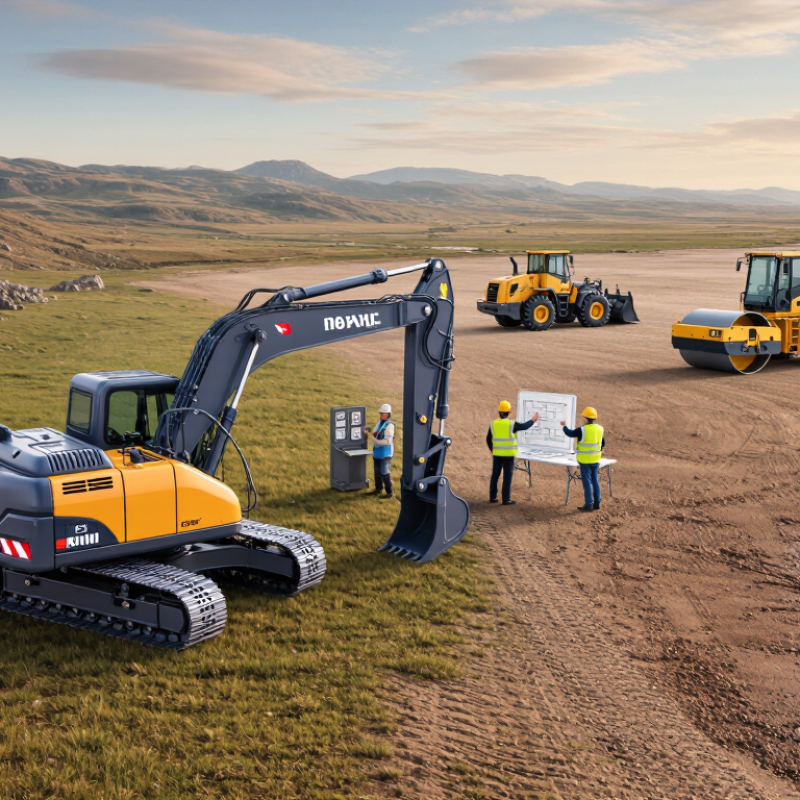
How to Choose Equipment for Different Terrains from China?

Identify the Terrain and Its Operating Conditions

Before selecting equipment from China, describe the ground it must cross, not just the job it must perform. A “rough site” is too vague. Record slope, soil texture, drainage, surface firmness, loose stones, mud depth, and seasonal changes. The USDA Natural Resources Conservation Service’s Soil Survey Manual classifies slopes from nearly level (0–2%) to very steep (above 30%). These classes help document grades consistently, but they do not determine machine suitability on their own. Use them to discuss traction, stability, ground pressure, and operating limits with suppliers.

Then record the real working conditions: expected load, daily hours, temperature, elevation, and the route’s narrowest or steepest points. Wetness changes everything. For soft ground, compare ground pressure and track or tire options; for rocky routes, check clearance and undercarriage protection. Ask for performance figures with the intended load, not just unloaded specifications. A short field trial on representative ground can reveal slipping, poor turning, or excessive vibration. One limitation: a dry-season inspection can mislead, so reassess after rain where conditions change. I may still miss a local detail, which is why operators’ observations belong in the equipment checklist.

Define the Equipment Requirements for Each Terrain

Before comparing equipment from China, define the terrain and the job it must handle. A gravel access road needs reliable traction and tires suited to loose stone. Soft mud may require wider tires or tracks that spread the machine’s weight. On slopes, check braking performance, ground clearance, and the rated load—not just engine power. Sand calls for flotation; aggressive tread alone can cause a vehicle to dig in.

Translate these conditions into measurable requirements: maximum payload, typical slope, ground clearance, turning space, operating hours, and expected weather. Note where the equipment will travel and where it must stop or turn. Ask suppliers for relevant specifications, maintenance guidance, and test information for comparable conditions.

“All-terrain” is too broad to make a sound choice. I have seen a specification sheet look convincing, yet leave out turning space. That detail can matter more than expected.

Tips:

Photograph the route after rain and measure its narrowest point. Share those details when requesting a quotation. Check tire or track replacement access and routine service needs. Measure before you buy. Be ready to revise your requirements; the first estimate may miss a practical constraint.

Compare Equipment Types and Key Specifications

Terrain should guide the equipment choice, not appearance or engine size alone. On paved sites and firm agricultural roads, a wheeled tractor or loader usually travels faster and uses less fuel than a tracked machine. Check tire size, operating weight, turning radius, and rated payload. A tight orchard needs a different turning radius from an open field.

For muddy ground, soft soil, or steep paths, compare four-wheel drive, ground clearance, tire tread, and axle load. Tracked carriers can spread weight across a larger contact area, while wheeled machines are often easier to move between work areas. That trade-off matters. For rocky Chinese mountain routes, inspect underbody protection, braking capacity, and cooling performance, not just advertised climbing ability.

When comparing equipment types from China, request the same measurements for each model: net power, fuel consumption under load, payload, travel speed, and maintenance intervals. Ask whether listed figures apply to the exact configuration you will receive. A spec sheet can still mislead; optional tires or attachments may change weight and clearance. One useful check is to measure the narrowest gate and softest ground on your site, then compare those figures with the machine’s dimensions and ground pressure. The match may not be perfect. Plan for that.

Evaluate Chinese Manufacturers and Product Standards

When choosing equipment for rocky, muddy, or steep terrain, evaluate the Chinese manufacturer as carefully as the machine. Ask for the exact model’s technical sheet, component list, and quality-control records. Check whether the stated load capacity and ground clearance match your operating conditions, not just a sales brochure. Request recent test reports and confirm that they identify the same model and configuration you plan to buy. Details matter.

Review the standards relevant to the equipment and your destination market. A quality-management certificate can show that a process exists, but it does not prove that a machine performs well on a wet slope. Ask how materials are inspected, how welds are checked, and whether each unit receives a documented functional test. If possible, inspect a production sample or arrange an independent pre-shipment inspection. Small checks help. Confirm spare-parts availability, warranty terms, and the response time for technical support in writing. Photos of a clean factory floor are useful, but limited; a production visit or video walkthrough can reveal more. It is easy to trust polished paperwork too quickly. Compare the documents with the machine’s serial numbers, labels, and measured specifications, and record any gaps before placing an order.

Choosing Equipment for Different Terrains

Qualitative screening guide for comparing common equipment types across typical site conditions.

Suitability is rated from 1 (limited) to 5 (strong) as general selection guidance, not certified test data. Actual performance depends on the specific machine, tires or tracks, load, slope, and ground conditions. When evaluating Chinese manufacturers, verify model-specific specifications and applicable product, safety, and emissions standards.

Verify Performance, Compatibility, and After-Sales Support

When sourcing equipment from China for varied terrain, look beyond polished catalog photos. A machine that performs well on a factory floor may struggle on loose gravel, wet clay, or a steep access road. Request test results from conditions close to your site, including load, slope, temperature, and operating hours. Ask for an unedited demonstration, and note the machine’s configuration. Small details matter.

One test is not enough. Check compatibility against your existing equipment: hydraulic flow, coupler dimensions, electrical requirements, tire clearance, and transport limits. Ask for current drawings and technical specifications, then compare them with measurements from your site. A mismatch can turn a promising purchase into costly downtime. I would not treat a single successful trial as proof; a short test may miss wear, heat buildup, or traction problems during a full shift.

After-sales support deserves the same scrutiny as performance. Get written details on spare-parts availability, typical shipping times, warranty exclusions, and remote troubleshooting. Confirm who handles technical questions and what information they need, such as fault codes or operating logs. Ask whether common wear parts can be sourced locally. Some gaps only appear after delivery, and that is easy to underestimate. A clear support plan helps buyers prepare for those imperfect moments.

How to Choose Equipment for Different Terrains from China? — Verify Performance, Compatibility, and After-Sales Support

Equipment Type Terrain Suitability Performance to Verify Compatibility Checks After-Sales Support to Confirm
Tracked excavator Useful on soft, uneven, or muddy ground where tracks provide a larger contact area than typical road tires. Track type and machine size should match ground conditions and access limits. Check operating weight, rated digging depth, bucket capacity, hydraulic flow and pressure, ground clearance, and travel speed against the manufacturer’s model-specific specifications. Request test records for the intended configuration. Confirm attachment-pin dimensions, hydraulic coupler type, auxiliary hydraulic flow, quick-coupler compatibility, and transport dimensions. Verify that the selected bucket or attachment is approved for the machine. Obtain the maintenance schedule, parts list, warranty terms, service response process, and availability of wear parts such as track shoes, rollers, and filters. Confirm manuals and technical support are available in the required language.
Wheeled loader Typically suited to firm, prepared surfaces and repeated material-handling work. Soft or loose ground may require suitable tires, chains, or a different machine type. Verify rated payload, tipping load, bucket capacity, breakout force, turning radius, tire specification, and braking performance. Compare values for the exact bucket and tire configuration. Check bucket-interface dimensions, hydraulic connections, tire size and load rating, operating width, and compatibility with trailers or transport routes. Confirm the machine’s operating weight is within site limits. Ask for the recommended service intervals, warranty coverage for tires and wear items, local parts-stock details, and the process for diagnosing hydraulic or drivetrain issues.
Compact track loader Often selected for confined sites and soft or uneven ground. Track condition and ground pressure affect suitability; neither guarantees access on every soil type. Check rated operating capacity, tipping load, attachment hydraulic flow, track width, ground clearance, and operating weight. Review stability and lifting limits for the intended attachment. Confirm the attachment mounting standard, auxiliary hydraulic couplers, electrical connections, and required hydraulic flow. Check overall width and height against gates, trailers, and work areas. Confirm access to compatible replacement tracks, rollers, and service parts, plus training, troubleshooting support, warranty exclusions, and the procedure for making a service claim.
Articulated dump truck Designed for hauling on rough, uneven haul roads; articulation can help the vehicle follow changing ground conditions. Route gradients, turning space, soil strength, and weather still need assessment. Verify rated payload, body capacity, maximum gradeability as stated by the manufacturer, ground clearance, turning radius, braking system, and tire rating. Match payload to the material’s density and the loading equipment. Check loaded dimensions, axle loads, turning envelope, tire availability, and compatibility with site road widths, bridges, ramps, and unloading areas. Confirm applicable local road-transport rules for moving the machine. Request the service plan for engine, transmission, axles, and articulation components. Confirm availability of critical parts, technician coverage, warranty terms, and response arrangements for remote sites.
Motor grader Used to shape and maintain prepared roads and haul roads. It is generally best suited to surfaces that provide adequate traction and room for maneuvering. Check blade length, moldboard range of movement, operating weight, turning radius, axle configuration, and available traction features. Verify that the blade can achieve the required crown, slope, and ditch profile. Confirm blade and scarifier configuration, tire dimensions, transport width, and compatibility with the site’s road geometry. Ensure available attachments match the grader’s mounting and hydraulic arrangements. Confirm parts and service support for the blade circle, articulation system, steering, and hydraulic components. Obtain the service manual, inspection schedule, and warranty conditions in writing.
Tracked dozer Suitable for pushing and spreading material on rough or soft ground, subject to the machine’s track configuration, blade, soil conditions, and slope limits. Verify net power, operating weight, blade capacity, drawbar performance where specified, ground clearance, and slope-related operating guidance. Use the manufacturer’s limits rather than assuming all tracked machines can work on steep slopes. Check blade type and width, track shoe configuration, ripper compatibility, transport dimensions, and the machine’s fit with the site’s access and ground-bearing requirements. Ask about undercarriage inspection and replacement support, blade and ripper wear parts, service intervals, warranty coverage, and technician availability near the operating site.

Verification note: Specifications and suitability vary by model, configuration, attachments, material, and site conditions. Request the manufacturer’s datasheet, operating manual, test documentation, warranty terms, and a written parts-and-service plan for the exact machine being offered. ISO 6165 provides classifications for earth-moving machinery; it does not certify a machine’s performance for a particular site.

FAQS

What site details should I define before choosing equipment?

Record payload, typical slope, ground clearance, turning space, operating hours, and expected weather. Photograph the route after rain and measure its narrowest point. Measure twice.

How should terrain affect tire or track selection?

Gravel needs dependable traction and tires suited to loose stone. Soft mud may need wider tires or tracks that spread weight. Sand needs flotation; aggressive tread can make a machine dig in.

What should I check for sloped routes?

Check braking performance, ground clearance, and rated load. Engine power alone does not show whether a machine suits a slope. Details matter.

Which documents should I request from a manufacturer?

Ask for the exact model’s technical sheet, component list, quality-control records, and recent test reports. Confirm that reports match the model and configuration you plan to buy.

Does a quality certificate prove a machine will perform well?

No. It can show that a process exists, but it does not prove performance on wet slopes. Ask how materials and welds are checked, and whether each unit receives a documented functional test.

How can I verify performance before ordering?

Request test results from conditions close to your site, including load, slope, temperature, and operating hours. Ask for an unedited demonstration and note the machine’s configuration. One short trial may miss heat buildup or wear.

What compatibility details should I compare?

Check hydraulic flow, coupler dimensions, electrical requirements, tire clearance, and transport limits. Compare current drawings with measurements from your site. A small mismatch can cause costly downtime.

What after-sales support should I confirm in writing?

Check spare-parts availability, expected shipping times, warranty exclusions, and remote troubleshooting. Confirm who handles technical questions and whether common wear parts are available locally. Some gaps only appear after delivery.

How can I assess a manufacturer beyond its brochures?

Compare documents with serial numbers, labels, and measured specifications. A factory visit or video walkthrough can reveal more than polished photos. A neat document can still leave gaps.

Conclusion

Choosing the right equipment for varied terrain begins with understanding the ground and working conditions. Consider factors such as soil stability, slopes, obstacles, weather, and the intensity and duration of use. These details help define practical requirements, including traction, power, load capacity, maneuverability, durability, and suitable safety features. A clear assessment makes it easier to compare equipment types and specifications against the demands of each terrain rather than relying on general-purpose assumptions.

When exploring options from China, review manufacturers’ documentation, quality controls, and relevant product standards. Compare technical specifications carefully, and confirm that the equipment can work with any attachments or systems you plan to use. Before making a decision, seek evidence of performance under comparable conditions and clarify warranty coverage, spare-parts availability, maintenance guidance, and after-sales support. This structured approach to how to choose equipment for different terrains can help you select a solution that is reliable, compatible, and suited to its intended work.

Henry

Henry

Henry is a dedicated marketing professional with a profound expertise in the company's offerings. With years of experience in the industry, he possesses an impressive understanding of the market dynamics and consumer behaviors that drive success. Henry is committed to sharing his insights through......