China Best Earthmoving Equipment to Boost Productivity

Time:2026-09-28 Author:Isabella
0%

Earthmoving productivity depends on more than machine size or rated power. The right excavator, wheel loader, bulldozer, or motor grader must match the material, haul distance, site layout, and daily workload. A machine that is too small may create a bottleneck; one that is oversized can consume fuel and capital without moving more usable material. Fit matters.

China’s equipment market offers a broad range of machines, configurations, and price points. Buyers should compare operating weight, engine performance, hydraulic response, fuel use, service access, and parts availability—not just purchase price. Check the specifications against the actual job, and ask dealers for maintenance records, warranty terms, and local support. A quick cycle time looks good on paper. Field conditions can change it.

This guide explores how to increase productivity in earthmoving operations through practical equipment selection and fleet planning. It considers how operator visibility, bucket capacity, ground conditions, travel routes, and preventive maintenance affect daily output. Reliable telematics can help teams spot idle time and fuel trends, but the data still needs thoughtful interpretation. Numbers need context.

There is no universal best machine. Even a capable fleet may underperform when trucks wait, access roads are poorly planned, or maintenance is delayed. Those details are easy to overlook. The aim is to help contractors compare Chinese earthmoving equipment with clear criteria, ask better questions, and make decisions grounded in site needs. Some trade-offs remain, and productivity should be verified on the job rather than assumed from a brochure.
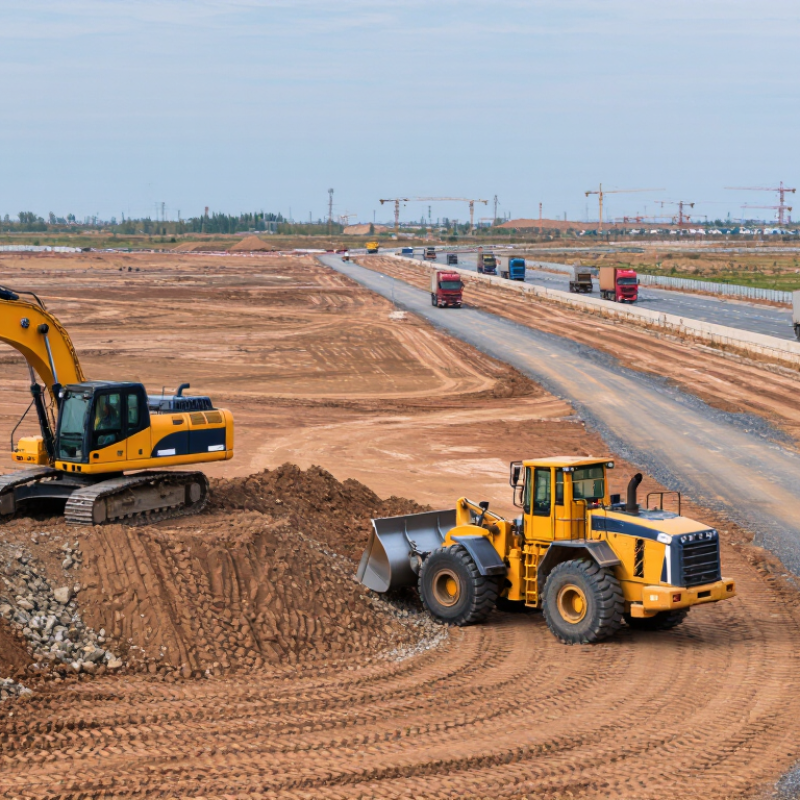
China Best Earthmoving Equipment to Boost Productivity

Classify Chinese Earthmoving Machines Using ISO 6165 Equipment Types

ISO 6165 classifies earthmoving machines by basic type, not by price, power, or job-site productivity. Its categories include excavators, dozers, graders, loaders, dumpers, scrapers, and trenchers. That distinction matters. A tracked excavator can dig a narrow trench, while a wheel loader is better suited to repeated loading on firm ground. The right category narrows the search before buyers compare bucket capacity, travel speed, and operating weight.

China’s equipment range can be read through this framework. For example, excavators suit digging and material handling; dozers push and spread soil; graders shape road surfaces; and dumpers transport loose material. China Construction Machinery Association’s 2022 sales data recorded 261,346 excavators, including domestic sales and exports. This figure signals the scale of one machine type, but it does not prove that excavators fit every project. Fit comes first. ISO labels also cannot capture muddy ground, tight access, or operator skill. I have seen specifications look convincing on paper, yet a wide turning radius can slow work beside a trench. That detail is easy to miss. Classification helps, but site conditions still deserve a second look.

Compare 20–25 t Excavators by Bucket Capacity, Digging Force, and Reach

In the 20–25 t class, bucket capacity often falls around 0.8–1.2 m³, with exact options depending on boom, arm, and material. A 1.0 m³ bucket may suit damp clay, but loose gravel can favor a wider, lighter bucket. Published specifications are not perfectly comparable: bucket shape, tooth setup, and measurement conditions differ. Check the configuration, not just the headline figure.

Digging force commonly sits near 120–170 kN, while maximum ground-level reach is roughly 9–10 m in many configurations. Treat these as screening ranges, not guarantees. ISO 6015:2006 describes methods for determining excavator tool forces; SAE J1179 provides a related digging-force test method. Ask suppliers which method and configuration produced each figure. More force can help with compacted ground, but it may not improve cycle output if the bucket is poorly matched. Reach matters when loading a truck across a safe working gap. A few extra centimetres count. Still, long reach can reduce force at the bucket tip. Compare capacity, digging force, and reach together, then check the machine against your actual soil and truck heights. I would also verify expected bucket fill in a short site trial; brochure figures alone leave room for guesswork.

Assess 3–5 t Wheel Loaders by Rated Payload and Bucket Volume

When comparing 3–5 t wheel loaders, start with rated payload, not the machine’s class label. Rated payload is specified for defined conditions, and usable capacity can change with attachment, load position, and lift height. A pallet lifted close to the ground may behave differently from one carried high across uneven ground. Check the machine’s capacity chart for the exact configuration you plan to use.

Bucket volume matters just as much. A larger bucket can shorten loading cycles, but dense, wet material may reach the payload limit before the bucket looks full. A loose pile of wood chips is a different job from damp gravel. The brochure number is tidy; the stockpile is not. Compare bucket volume with typical material density and fill factor, then confirm that a full bucket stays within rated payload.

Match the loader to the actual route and task. Note travel distance, ramp conditions, and how often the operator must dump into a truck. It can mislead. A high-volume bucket may reduce trips but increase spillage or strain handling in tight spaces. Ask for payload data with the intended bucket fitted, and, where possible, test a normal work cycle using the material on site. The best match is the one that moves a repeatable load safely, not simply the largest bucket on paper.

China Best Earthmoving Equipment to Boost Productivity

Assess 3–5 t Wheel Loaders by Rated Payload and Bucket Volume

These indicative class-level benchmarks show payload rising from 3,000 to 5,000 kg, with typical bucket volumes increasing from about 1.8 to 2.7 m³. Actual specifications vary by machine configuration and bucket selection; confirm rated capacity and bucket suitability for the material being handled.

Estimate Dozer Output from Blade Capacity, Travel Distance, and Cycle Time

Estimate dozer output with loose blade capacity, not the machine’s rated blade volume alone. Use: hourly output = blade capacity × fill factor × productive minutes per hour ÷ cycle time. A cycle includes the loaded push, reverse travel, and turning or gear changes. For example, a 3.0 m³ blade, an assumed 0.85 fill factor, 50 productive minutes, and a 0.75-minute cycle yield about 170 loose m³ per hour. The U.S. Army Corps of Engineers’ Construction Equipment Ownership and Operating Expense Schedule classifies dozers by factors such as operating weight and horsepower; check these against site conditions before treating an estimate as dependable.

Travel distance can change the result fast. A longer push may increase cycle time, while soft ground, slopes, and material that spills from the blade can reduce effective capacity. Time several representative cycles on site, then use their average—not the quickest run. That estimate can still be wrong. Convert loose volume to bank volume using a suitable material swell factor, and state the factor in your estimate.

Tips: Measure loaded and return travel separately. Record blade load, cycle time, and delays for at least ten cycles. Recheck after rain or a route change; small differences add up across a shift.

China Best Earthmoving Equipment to Boost Productivity – Estimate Dozer Output from Blade Capacity, Travel Distance, and Cycle Time

Estimated production is calculated as: Blade capacity × (3,600 ÷ cycle time) × job efficiency. Cycle time includes loaded travel, reversing, gear changes, and maneuvering. Figures are planning estimates; actual output varies with material, slope, blade fill, operator, and site conditions.

Operating Scenario Blade Capacity (m³) One-Way Travel Distance (m) Cycle Time (s) Job Efficiency Estimated Output (m³/h)
Short push, firm material 4.0 20 50 70% 202
Moderate push, loose soil 5.5 35 65 75% 228
Longer push, favorable conditions 7.0 50 80 80% 252
Long push, restrictive conditions 8.5 70 105 75% 219

Note: Blade capacity is treated as the estimated volume moved per pass. Use consistent loose-volume measurements when comparing estimates with field production records.

Measure Productivity in Cubic Metres per Hour, Fuel per Cubic Metre, and Uptime

Earthmoving productivity is best judged by useful output, not machine size alone. Track cubic metres moved per hour across a representative shift. Record the material, digging conditions, haul distance, and delays beside each reading. A bucket may look full, yet loose soil and compacted gravel behave differently. Compare similar work periods before drawing conclusions. The numbers can look tidy. The site rarely is.

Tips: Use a consistent volume estimate and timed observation period. Note idle time, truck queues, and operator changes. Small delays add up.

Fuel per cubic metre shows how efficiently output is produced. Log fuel used and measured material moved over the same period. A sudden increase may point to longer travel, excessive idling, dull cutting edges, or difficult ground. Check the cause before changing work practices. One rough shift can distort the picture, so use several readings.

Uptime matters because a productive machine cannot help when it is unavailable. Record operating hours, stoppages, and repair time, then separate planned maintenance from unexpected faults. Review these measures together: high hourly output may still come with heavy fuel use or frequent downtime. There is no perfect metric. Keep the method consistent, and question results that do not match what crews see on site.

FAQS

What bucket capacity is typical for a 20–25 t excavator?

Many configurations use buckets around 0.8–1.2 m³. A 1.0 m³ bucket may suit damp clay, while loose gravel may need a wider, lighter bucket. The material matters.

How should I compare excavator digging force and reach?

Typical digging force is about 120–170 kN, with ground-level reach around 9–10 m. These are screening ranges, not promises. Longer reach can reduce force at the bucket tip.

Are published excavator specifications directly comparable?

Not always. Bucket shape, teeth, and test conditions can change the figures. Ask which configuration and test method were used, then check expected bucket fill during a short site trial.

What should I check when choosing a 3–5 t wheel loader?

Start with rated payload and its capacity chart for the planned attachment. Load position and lift height matter. A pallet carried high over uneven ground is not the same as one lifted low.

How do bucket volume and material affect loader performance?

Dense, wet material may reach the payload limit before a bucket looks full. Loose wood chips behave differently from damp gravel. The pile decides. Match bucket volume to material density and fill factor.

How can I estimate dozer output per hour?

Use loose blade capacity × fill factor × productive minutes per hour ÷ cycle time. A 3.0 m³ blade, 0.85 fill factor, 50 productive minutes, and 0.75-minute cycle estimate about 170 loose m³ per hour.

What should a dozer cycle-time measurement include?

Include the loaded push, reverse travel, and turning or gear changes. Measure loaded and return travel separately. Record at least ten representative cycles, rather than relying on the quickest run.

Why can actual dozer output differ from an estimate?

Longer pushes, soft ground, slopes, and spilled material can reduce output. Convert loose volume to bank volume using a suitable swell factor. That estimate can miss. Recheck after rain or route changes.

Conclusion

Choosing the right earthmoving equipment starts with classifying machines by ISO 6165 equipment types, then matching each machine to the work required. For 20–25 t excavators, compare bucket capacity, digging force, and reach to understand how effectively they can handle different materials and excavation depths. For 3–5 t wheel loaders, assess rated payload alongside bucket volume, since both influence how much material can be moved in each loading cycle.

Dozer output can be estimated from blade capacity, travel distance, and cycle time. Together, these factors help operators and planners evaluate practical production rather than relying on machine size alone. To understand how to increase productivity in earthmoving operations, measure output in cubic metres per hour, fuel consumed per cubic metre, and equipment uptime. Reviewing these measures across machines and tasks can reveal bottlenecks, support better equipment selection, and help improve jobsite efficiency.

Isabella

Isabella

Isabella is a dedicated marketing professional with a sharp focus on driving brand growth and engagement through strategic content creation. With an extensive background in digital marketing, she combines her passion for storytelling with her keen understanding of industry trends to deliver......