Top 10 Benefits of Compact Construction Equipment for Buyers?

Time:2026-05-05 Author:Aria
0%

In the ever-evolving construction industry, compact construction equipment stands out as a game changer. Many buyers often wonder, "what are the benefits of compact construction equipment?" This equipment offers a unique blend of functionality and efficiency. Its smaller size allows for versatile use in tight spaces where traditional machinery falls short. The agility of compact gear makes it preferable for urban settings, where space is limited.

Moreover, the operational costs tend to be lower. Compact machines are designed to consume less fuel and require less maintenance. These features translate into significant savings over time. Compact equipment also enhances productivity on-site. Operators can maneuver these machines quickly, leading to more efficient project completion. However, these benefits come with challenges. Buyers need to consider the initial investment and ensure they select the right models for their specific needs.

Ultimately, understanding the real-world applications of compact construction equipment is crucial. This insight can shape decision-making for builders and contractors alike. Considering these factors can lead to better choices in the long run.
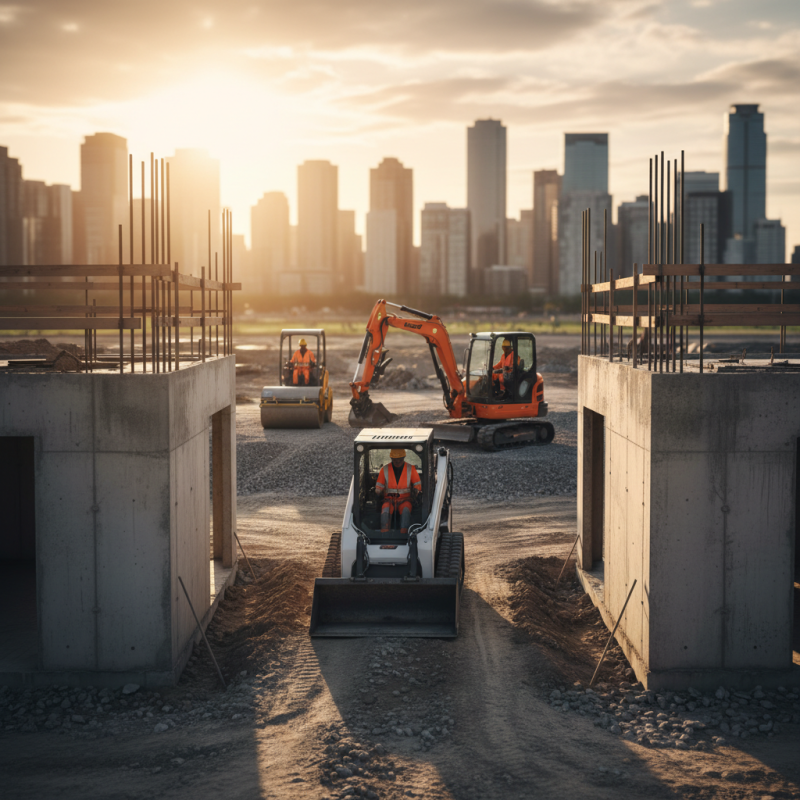
Top 10 Benefits of Compact Construction Equipment for Buyers?

Advantages of Compact Construction Equipment for Limited Spaces

Compact construction equipment is vital for operations in confined spaces. With urban areas growing denser, the demand for such machinery increases. A report by the Association of Equipment Manufacturers highlights that compact equipment can operate effectively in locations where traditional machines cannot. These smaller vehicles can navigate tight corners and work in narrow passages, essential for urban construction projects.

Compact equipment often reduces labor costs. A smaller machine typically requires fewer personnel to operate effectively. This efficiency is critical in cities where labor costs are high. Moreover, compact equipment can minimize site disruption, as their size permits operation on congested job sites without affecting nearby infrastructure. According to market research, up to 20% of project delays stem from poor site access.

Tip: Choose machines that integrate advanced technologies like telematics. This technology can optimize fuel usage, reducing overhead costs. Additionally, training operators to use compact machines effectively can enhance productivity. Having a skilled team can significantly impact project efficiency and overall success.

Enhanced Maneuverability in Crowded Job Sites

In today's construction landscape, effective maneuverability is crucial. Compact construction equipment is designed for crowded job sites. These machines can easily navigate tight spaces, improving overall efficiency. Operators appreciate how these machines fit through narrow pathways, reducing delays and interruptions.

Working in confined areas can be challenging. Large equipment often struggles, leading to potential damage and costly repairs. Compact machines provide a solution by offering power without the bulk. Their smaller size doesn’t compromise strength, making them reliable for various tasks. This allows crews to accomplish more in less time.

However, not all tasks may be suited for compact equipment. In some scenarios, larger machines could handle heavy loads more effectively. It's essential for buyers to assess their specific needs. The versatility of compact equipment allows for diverse applications, but careful planning is required to avoid limitations.

Cost-Efficiency: Lower Operating and Maintenance Expenses

Compact construction equipment has gained popularity among buyers due to its cost-efficiency. Lower operating and maintenance expenses are significant advantages. These machines consume less fuel, reducing daily operational costs. A smaller size also equates to lower transportation costs, with less wear and tear during transit.

Maintenance on compact equipment is generally simpler and cheaper. Many models require fewer parts and have streamlined designs. This means fewer breakdowns and less downtime. Regular maintenance tasks, such as oil changes or filter replacements, often take less time. However, buyers must still pay attention to routine checks. Neglecting these can lead to unexpected repair costs.

Investing in compact equipment may initially seem unappealing due to some higher upfront costs. Potential buyers should weigh these against long-term savings. The reliability of these machines often reduces the frequency of repairs. Yet, improper use can increase expenses. Therefore, adequate training for operators is crucial to maximize benefits and minimize waste.

Versatility Across Various Construction Applications

Compact construction equipment stands out for its versatility across various construction applications. These machines adapt easily to different job sites. This flexibility is invaluable for contractors facing diverse tasks. From tight urban spaces to expansive rural sites, compact equipment fits the bill. They can perform tasks ranging from digging and lifting to grading and landscaping.

Consider a compact skid steer loader. It can navigate narrow pathways and tight corners. This ability allows workers to access hard-to-reach areas, maximizing project efficiency. Moreover, attachments like buckets and forks can enhance its functionality. There’s a learning curve with each attachment, but the potential for increased productivity is significant.

While these machines offer numerous advantages, some limitations exist. They may not handle heavy loads as well as larger counterparts. This can lead to challenges in very heavy-duty projects. Operators must assess which tasks are best suited for compact equipment. Proper training and experience can mitigate potential issues, ensuring the right use of these versatile machines.

Top 10 Benefits of Compact Construction Equipment for Buyers

Benefit Description Applications
Versatility Can be used for multiple functions including digging, lifting, and transporting materials. Landscaping, demolition, utility work.
Space Efficiency Compact design allows use in tight spaces where larger equipment can't fit. Urban construction, home renovations.
Cost-Effectiveness Lower purchase and maintenance costs compared to larger machinery. Small construction projects, DIY tasks.
Ease of Transport Lightweight and small size make it easy to transport from one site to another. Multiple job sites, remote locations.
User-Friendly Designed for easy operation, often requiring less training to use. Small-scale contractors, novice users.
Safety Features Incorporated safety mechanisms to protect operators in various situations. Residential projects, crowd-limited areas.
Environmentally Friendly Typically designed with reduced emissions and noise pollution. Green building projects, eco-conscious renovations.
Maintenance Simplicity Easier to maintain with readily available parts and straightforward servicing. Frequent use scenarios, rental services.
Technological Integration Increasingly equipped with advanced technology for efficiency. Project management, precision tasks.
Customization Options Available attachments and configurations to fit specific tasks. Various construction operations, specialized jobs.

Improved Safety Features in Compact Equipment Design

Compact construction equipment has evolved with a strong focus on safety features in their design. Recent industry reports reveal that about 70% of equipment accidents are due to operator error. Improved design can significantly reduce these incidents. Features such as automatic shut-off systems and enhanced visibility are now standard, aiming to create a safer work environment. A study by the National Safety Council found that companies using updated equipment reported a 30% decrease in injury-related costs over three years.

Operators benefit from ergonomic controls in compact equipment, reducing strain during use. Many machines now include safety alerts that notify the operator of potential hazards. Additionally, roll-over protection structures (ROPS) are becoming common. These developments are crucial as they address the risks associated with operating heavy machinery. However, there remains room for improvement. Some users still face challenges with outdated training materials and insufficient hands-on experience.

Tips for enhancing safety include conducting regular equipment inspections and ensuring that all safety features are functioning properly. Operators should engage in consistent training sessions to stay updated on safety protocols. It's essential for team leaders to foster an open environment where safety concerns can be discussed without hesitation. Adopting these practices can lead to a significantly reduced risk of accidents in the field.

Top 10 Benefits of Compact Construction Equipment for Buyers

FAQS

: What is the benefit of using compact construction equipment on job sites?

: Compact equipment improves efficiency by easily navigating crowded spaces, reducing delays during projects.

Are compact machines suitable for all types of construction tasks?

Not all tasks are suited for compact machines; larger equipment may handle heavy loads better in some cases.

How do compact machines enhance maneuverability?

They can fit through narrow pathways and access hard-to-reach areas, allowing crews to accomplish more quickly.

What safety features are common in compact construction equipment?

Features include automatic shut-off systems, enhanced visibility, and roll-over protection structures for safer operation.

How can operator error be reduced when using compact equipment?

Improved designs and safety alerts can help reduce accidents caused by operator error, but training is still crucial.

What are some challenges faced by users of compact equipment?

Users might struggle with outdated training materials and practical experience, affecting safety and efficiency.

Why is training important for operating compact machinery?

Proper training helps operators use equipment effectively, minimizing risks and improving performance for various tasks.

How can safety on construction sites be improved?

Regular equipment inspections and consistent training sessions can significantly enhance safety and reduce accident risks.

What are some limitations of compact construction equipment?

They may not perform well with very heavy loads, which could limit their use in certain heavy-duty projects.

Why is ergonomic design significant in compact equipment?

Ergonomic controls reduce operator strain, enhancing comfort and safety during prolonged use of the machinery.

Conclusion

Compact construction equipment offers numerous advantages that make it an attractive choice for buyers, especially in limited spaces. One of the key benefits is enhanced maneuverability, allowing operators to navigate crowded job sites with ease. This agility is complemented by cost-efficiency, as such equipment typically incurs lower operating and maintenance expenses. The versatility of compact equipment across various construction applications further adds to its appeal, enabling users to tackle a wide range of tasks with a single machine.

Additionally, improved safety features in the design of compact construction equipment make it a smart investment. The combination of these elements makes it clear what are the benefits of compact construction equipment, positioning it as a valuable asset for both small-scale and large construction projects. Whether working in tight urban environments or on expansive worksites, buyers can significantly optimize their operations by choosing compact solutions.

Aria

Aria

Aria is a dedicated marketing professional with a deep passion for innovative strategies and a keen understanding of our company's product offerings. With a wealth of experience in the industry, Aria excels at crafting engaging content that highlights the unique features and benefits of our......