China Top 10 Excavation Equipment Makers Automation Impact

Time:2026-10-08 Author:Liam
0%

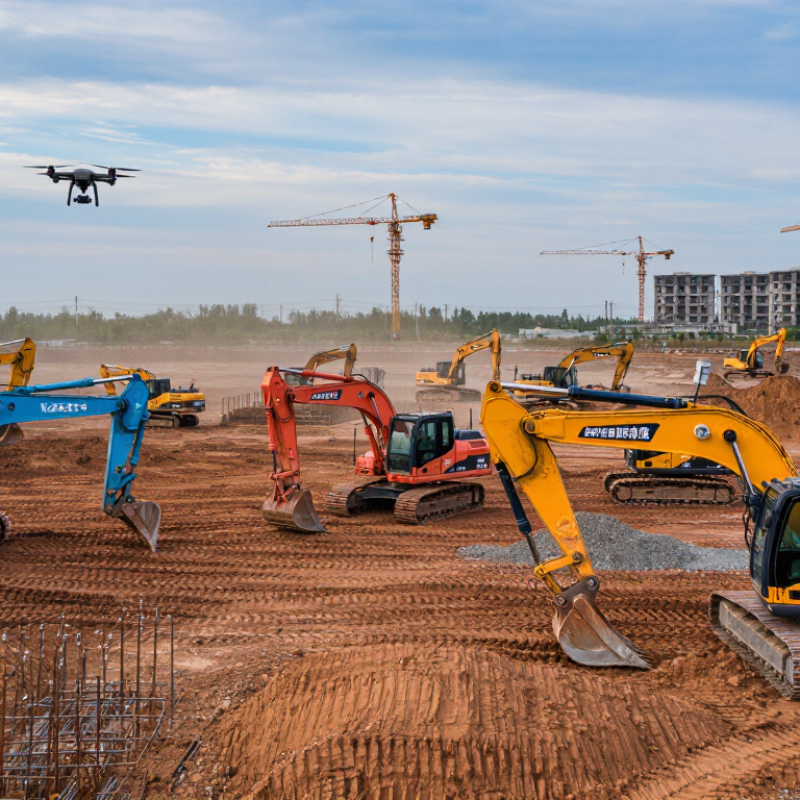
China’s excavation equipment sector is changing rapidly through sensors, machine guidance, and connected fleet systems. This article examines ten leading Chinese manufacturers and their growing automation capabilities. The ranking is not universal. Market share, export performance, research investment, and field reliability can produce different results.

A central question guides this review: how does automation impact excavation equipment? On a real construction site, GNSS guidance can help an operator follow a trench design within tighter tolerances. Hydraulic sensors can reveal pressure changes before a component fails. Remote monitoring may reduce idle hours and improve maintenance planning. Semi-automatic digging can also support less experienced operators. Small improvements matter.

Not every digital feature creates equal value. Automation can increase purchase costs, require stable connectivity, and demand skilled technicians. Dust, vibration, poor signals, and uneven terrain still challenge electronic systems. Some manufacturers publish impressive specifications, but independent field evidence remains limited. That deserves careful scrutiny.

The discussion compares intelligent excavators, control systems, safety functions, fuel management, and after-sales support. It also considers how Chinese equipment makers serve mines, highways, utilities, and urban projects. Practical performance matters more than a glossy dashboard. Operators still make critical decisions.

This is an evolving story. Manufacturers are improving quickly, yet automation remains a tool rather than a complete replacement for professional judgment.
China Top 10 Excavation Equipment Makers Automation Impact

Definition and Scope of Excavation Equipment Automation

Excavation equipment automation means using sensors, software, connectivity, and machine control to reduce manual decisions. Its scope covers assisted digging, remote operation, collision alerts, payload monitoring, and fully autonomous cycles. It includes excavators, loading machines, drilling units, and supporting fleet systems. Automation is not only “driverless” operation. That definition is too narrow.

McKinsey’s Reinventing Construction report found that construction labor productivity grew about 1% annually over two decades, compared with 2.8% across the global economy. This gap explains the interest in automated excavation. In practice, a machine may use GNSS, cameras, LiDAR, and hydraulic sensors to hold a trench depth within a few centimeters. International Federation of Robotics data adds wider context: 541,302 industrial robots were installed globally in 2023. Excavation equipment is a different category, but the same sensing and control capabilities are spreading into rugged worksites.

Tips: Define the automation level before comparing manufacturers. A remote-controlled excavator is not autonomous. Check accuracy, obstacle detection, operator training, data security, and performance in dust or rain. Field trials matter more than polished demonstrations. Some reported productivity gains may reflect better site planning, not automation alone. That distinction deserves more attention. Teams should record cycle time, fuel use, rework, and downtime before and after deployment. These measures create a more reliable basis for judging automation impact.

Definition and Scope of Excavation Equipment Automation

Excavation equipment automation ranges from operator assistance to autonomous operation. The chart uses a five-level control framework to show how responsibility shifts from the operator to the machine as automation capability increases. The levels describe control responsibility, not market share or individual manufacturer performance.

China’s Leading Excavation Equipment Manufacturers

China’s leading excavation equipment manufacturers are reshaping construction through practical automation. Their experience comes from busy infrastructure sites, demanding quarries, and changing soil conditions. Engineers study operator feedback, fuel use, hydraulic pressure, and maintenance records. A modern excavator may adjust engine output while maintaining steady digging force. Small details matter. Cab displays can show load data, service alerts, and attachment settings clearly. This helps operators work more accurately during long shifts.

Automation now reaches both machines and factories. Machine guidance can reduce unnecessary digging and improve grading consistency. Remote monitoring can identify unusual vibration before a component fails. In manufacturing plants, robotic welding and digital inspection improve repeatability. These tools also support safer production routines. Still, automation is not perfect. A dusty sensor may provide weak readings. Poor network coverage can interrupt remote functions. Field technicians must understand software, hydraulics, and mechanical systems together.

Reliable manufacturers support their claims with documented testing, traceable components, and accessible service procedures. They assess equipment under heat, mud, vibration, and heavy workloads. Independent certification can strengthen buyer confidence, but daily maintenance remains essential. Procurement teams should examine spare-parts access, technician training, warranty terms, and software updates. Some interfaces still feel too complicated for new operators. That weakness deserves honest attention. Continuous training can narrow the gap. On a busy worksite, simple controls often outperform impressive features.

China Top 10 Excavation Equipment Makers Automation Impact - China’s Leading Excavation Equipment Manufacturers
Comparative industry profile based on publicly observable product categories, commonly deployed automation technologies, and standard excavator operating classes. Manufacturer names and brands are intentionally omitted.
Position Anonymous Manufacturer Profile Main Excavator Coverage Electro-Hydraulic Control Integration Telematics & Fleet Monitoring Machine Guidance Readiness Remote Diagnostics Autonomous Function Maturity Battery-Electric Availability Typical Automation Impact
01 Manufacturer Profile A Mini, compact, medium, large and mining excavators High
Electronic pump and valve control widely integrated into newer platforms
High
Cloud-based operating-hour, location, fuel and fault-code monitoring
High
2D guidance and attachment-position awareness supported on selected models
High
Remote fault-code review and maintenance alerts
Medium
Assisted digging and semi-automated work cycles
Limited
Electric models concentrated in compact and urban-duty classes
Improves cycle consistency, preventive maintenance and operator productivity
02 Manufacturer Profile B Compact, medium, large and heavy-duty excavators High
Load-sensing hydraulic systems combined with electronic engine control
High
Fleet utilization, fuel consumption and service-status data
Medium
Grade-control compatibility on selected configurations
High
Dealer-supported remote service and software diagnostics
Medium
Operator-assist functions available for repetitive excavation
Limited
Battery-electric deployment mainly below approximately 10 tonnes
Reduces fuel waste and unplanned downtime in rental and large-fleet operations
03 Manufacturer Profile C Mini, compact, medium and large excavators High
Electronic travel, swing and hydraulic-flow management
High
Remote asset tracking and work-hour reporting
Medium
Compatible with 2D and selected 3D construction-control systems
Medium
Maintenance reminders and remote troubleshooting support
Medium
Automated boom, arm and bucket assistance in defined tasks
Limited
Electric and hybrid development focused on low-noise applications
Supports accurate grading, lower operator workload and improved site reporting
04 Manufacturer Profile D Mini, compact, medium, large and specialized excavators High
Proportional electronic controls used on newer product generations
Medium
Basic telematics with location, utilization and service records
Medium
Aftermarket guidance integration is common
Medium
Diagnostic data available through service networks
Limited
Mostly operator-assistance rather than autonomous operation
Limited
Compact electric excavators available for indoor and urban projects
Delivers measurable improvements in controllability and low-emission urban work
05 Manufacturer Profile E Compact, medium, large and quarry-duty excavators High
Electronic hydraulic optimization for digging and lifting modes
Medium
Digital fleet data generally available on higher-specification machines
Medium
Grade-control and payload-monitoring compatibility
Medium
Engine, hydraulic and emissions-system diagnostics
Limited
Assisted functions remain model- and region-dependent
Limited
Electrification primarily at prototype or compact-equipment level
Improves fuel efficiency, overload protection and operating data visibility
06 Manufacturer Profile F Mini, compact, medium and material-handling excavators High
Electronic control of hydraulic flow, engine speed and work modes
Medium
Remote location, utilization and maintenance information
Medium
Attachment and bucket-position sensing on selected models
Medium
Service alerts and diagnostic-code transmission
Limited
Automation mainly limited to work-mode assistance
High
Strongest fit in small electric excavator applications
Reduces noise, exhaust emissions and energy consumption on constrained sites
07 Manufacturer Profile G Medium, large, heavy-duty and mining excavators High
Advanced electronic-hydraulic coordination for high-load cycles
Medium
Production, fuel and maintenance monitoring for fleet customers
High
Payload, digging-depth and machine-position data integration
High
Remote monitoring suited to large and remote worksites
Medium
High potential for semi-autonomous repetitive loading tasks
Limited
Large-machine electrification remains technically and commercially constrained
Raises production predictability and safety in quarrying, mining and bulk excavation
08 Manufacturer Profile H Mini, compact, medium and construction excavators Medium
Electronic controls increasingly standard in recent models
Medium
Digital service records and fleet tracking on selected units
Limited
Primarily dependent on external machine-control suppliers
Medium
Standardized service alerts and onboard diagnostics
Limited
Limited automation beyond operator-selectable work modes
Limited
Electric options focused on compact construction equipment
Provides affordable entry-level digitalization for small contractors and rental fleets
09 Manufacturer Profile I Compact, medium, large and specialized foundation excavators High
Electronic hydraulic systems suited to specialized attachments
Medium
Operating-hour, location and maintenance monitoring
Medium
Position and depth sensing available for selected applications
Medium
Remote service support depends on model and market
Limited
Automation concentrated in attachment and safety assistance
Limited
Electrification adoption varies with duty cycle and attachment demand
Improves precision and repeatability in foundation, demolition and special-purpose work
10 Manufacturer Profile J Mini, compact, medium and general-purpose excavators Medium
Electronic engine and hydraulic controls on newer ranges
Limited
Basic tracking and service information increasingly offered
Limited
Mostly reliant on optional or aftermarket systems
Medium
Onboard fault codes and scheduled-maintenance alerts
Limited
Automation primarily limited to safety interlocks and work modes
Limited
Early-stage compact electrification suitable for short operating cycles
Improves basic machine efficiency, safety monitoring and service planning
Reading guide: “High,” “Medium” and “Limited” describe the relative availability of the listed technology across a manufacturer’s product range, not the performance of one specific machine. Excavator operating classes follow common industry practice: compact units are generally below 6 tonnes, medium units are approximately 6–25 tonnes, and large units are above 25 tonnes.

Core Automation Technologies Used in Excavators

Excavator automation now combines several control layers rather than one isolated feature. GNSS with RTK correction can guide digging within centimetres under suitable sky conditions. In poor signal areas, inertial measurement units and angle sensors maintain short-term position accuracy. LiDAR and stereo cameras add obstacle awareness around the boom, tracks, and swing radius. They are useful, but dust and rain still create blind spots.

Electrohydraulic control is the working core. Proportional valves translate digital commands into smoother boom and bucket movements. Machine-control software compares the bucket position with a digital terrain model. Telematics then records fuel use, idle time, cycle duration, and fault codes. ISO 15143-3 supports standardized equipment data exchange, while ISO 17757 addresses safety for autonomous and semi-autonomous machines. These standards improve reliability, but field integration remains uneven.

The productivity case is significant. McKinsey’s construction analysis found that industry productivity grew about 1% annually, compared with roughly 3.6% in manufacturing. Automation targets this gap through repeatable grading, operator assistance, and remote monitoring. The International Federation of Robotics reported 541,000 industrial robot installations in 2023, showing how quickly automated control is scaling across industries. Excavators are different, though. Uneven soil, changing work plans, and human workers complicate full autonomy. In practice, assisted operation may deliver more value than unmanned digging. That is not a failure. It is a more honest engineering choice.

Automation’s Impact on Productivity, Safety, and Costs

Automation is changing how China’s leading excavation equipment makers approach productivity, safety, and operating costs. Machine guidance can reduce repeated digging and improve bucket placement. On a busy construction site, this may save several minutes per cycle. Over a full shift, those minutes become measurable output.

Safety benefits are equally practical. Remote monitoring can warn operators about abnormal temperatures, overloads, or unstable working conditions. Semi-automated controls may also reduce sudden movements near workers, trenches, and nearby structures. However, automation is not a complete safety solution. Dust, poor signals, and incorrect sensor settings can still create risks. Experienced supervisors must verify machine data in real conditions. A screen cannot replace judgment.

Tips: Start with one machine and record fuel use, cycle time, idle hours, and maintenance events. Train operators before adding advanced functions. Check sensors at the beginning of each shift. Keep manual controls ready when conditions change. Cost savings can be smaller than expected if software, training, and repairs are ignored. Some teams also focus too heavily on speed. That can increase wear on hydraulic systems and tires. A slower, controlled cycle may produce better long-term value. The evidence should come from site records, not promotional claims. Reviewing results every month helps reveal where automation works and where human decisions still matter.

Future Trends in China’s Automated Excavation Industry

China’s automated excavation industry is moving from remote assistance toward coordinated machine autonomy. On active sites, GNSS, LiDAR, cameras, and hydraulic sensors can map terrain and adjust bucket movement. Operators increasingly supervise several machines from safer control rooms, while edge computing reduces delays in unstable networks. This changes the value of excavation equipment. Productivity matters, but predictable motion and worker protection matter more.

Future systems will connect excavators with drones, surveying platforms, and digital twins before digging begins. A planner may test haul routes, soil limits, and fuel use on a virtual model. During operation, software can flag unusual vibration, blind-zone movement, or rising hydraulic temperature. Maintenance teams can inspect equipment before a small fault becomes expensive downtime. That is the practical promise.

Yet adoption will not be perfectly smooth. Many sites still have weak connectivity, mixed equipment, and incomplete terrain data. Algorithms trained on clean demonstrations may struggle with loose rock, rain, dust, or crowded work areas. Human judgment remains essential when conditions change faster than software updates. Future progress will depend on shared data standards, transparent safety testing, and training that combines mechanical knowledge with digital skills. Field engineers should record failures, not hide them, because honest feedback improves control models. Some automation may initially cost more and slow projects during commissioning. That discomfort is real.

FAQS

How does excavator automation improve digging accuracy?

GNSS with correction signals can guide bucket work within centimetres under clear sky conditions. Digital terrain models help compare planned and actual bucket positions. Accuracy still drops in tunnels, dense trees, and poor weather.

What sensors help an excavator work near obstacles?

LiDAR and stereo cameras detect objects around the boom, tracks, and swing area. Angle sensors and inertial units support position tracking when signals weaken. Dust and rain can still hide hazards. Sensors are not perfect.

What is the role of electrohydraulic control?

Proportional valves convert digital instructions into smoother boom and bucket movements. This can reduce sudden motion near workers and structures. Hydraulic wear may increase if operators chase speed constantly.

Can automation make excavation fully autonomous?

Sometimes, but changing soil, crowded sites, and shifting plans create serious challenges. Assisted operation often provides better value than unmanned digging. That is not failure. It is practical engineering.

How can automation improve daily productivity?

Machine guidance can reduce repeated digging and improve bucket placement. Saving three minutes per cycle can matter across a full shift. Record cycle times instead of trusting optimistic claims.

Does automation make excavator work safer?

Remote monitoring can flag overheating, overloads, unstable ground, and unusual vibration. Semi-automated controls may reduce sudden movements near trenches. A screen cannot replace judgment. Keep manual controls available.

What should a construction team measure before adopting automation?

Start with one machine and record fuel use, idle hours, cycle time, and repairs. Check sensors before each shift. Review results monthly. The savings may disappoint when training and software costs are ignored.

What future technologies will support automated excavation?

Excavators may connect with drones, surveying systems, and digital terrain models before digging begins. Edge computing can reduce control delays during unstable network conditions. Virtual testing may reveal poor haul routes or soil limits earlier.

Why can automated excavation systems struggle on real construction sites?

Algorithms may perform well in clean demonstrations but struggle with loose rock, rain, dust, and crowds. Mixed equipment and incomplete terrain data also weaken coordination. Teams should record failures honestly. Ignoring them slows improvement.

Conclusion

Excavation equipment automation refers to the integration of sensors, digital controls, machine guidance, remote operation, and intelligent software into excavators and related machinery. In China, leading manufacturers are expanding these capabilities through research, engineering improvements, and practical applications across construction, mining, infrastructure, and land development. Core technologies include satellite positioning, three-dimensional guidance, obstacle detection, load monitoring, automated digging assistance, and connected fleet-management systems.

How does automation impact excavation equipment? It can improve productivity by increasing digging accuracy, reducing unnecessary movements, and supporting consistent performance in demanding environments. Automation also strengthens safety by helping operators identify hazards, maintain stable working conditions, and control machines remotely when risks are high. Although investment in sensors, software, training, and maintenance may increase initial costs, better fuel efficiency, reduced rework, and improved equipment utilization can create long-term savings. Future development in China is likely to focus on higher levels of autonomy, intelligent coordination between machines, stronger connectivity, low-carbon operation, and adaptable systems that support both skilled operators and partially automated workflows.

Liam

Liam

Liam is a dedicated marketing professional with a profound expertise in the industry, where he excels at highlighting the unique advantages of our core products. With a keen understanding of market trends and consumer needs, Liam frequently updates our company’s professional blog, providing......